- 033-6902-9692 & 9093085089
- info@gnim.org











About us
1. What is GNIM?
Gurukul National Institute and Management (GNIM) is an institution dedicated to education and skill development, aiming to connect students and young people with job-oriented education, professional training, and career advancement opportunities. GNIM focuses on preparing students for the real-world workplace through training in various professional and skill-based fields. Simultaneously, it strives to facilitate the transition from education to a career by providing career guidance and job placement support to eligible students. In short: GNIM — where education, skills, and career preparation go hand in hand.
2. Why does GNIM offer free courses?
The mission of Gurukul National Institute and Management (GNIM) is to ensure that no deserving student is deprived of opportunities for professional education and skill development due to financial constraints. To this end, the institute offers free training in various job-oriented courses to students selected through specific eligibility criteria and the institute's designated selection process. A key objective of GNIM is to guide students along the path of Skill Development, Professional Training, and Career Opportunities. "Let merit and skill—not financial constraints—be the foundation for building the future."
3. How are GNIM's free courses funded?
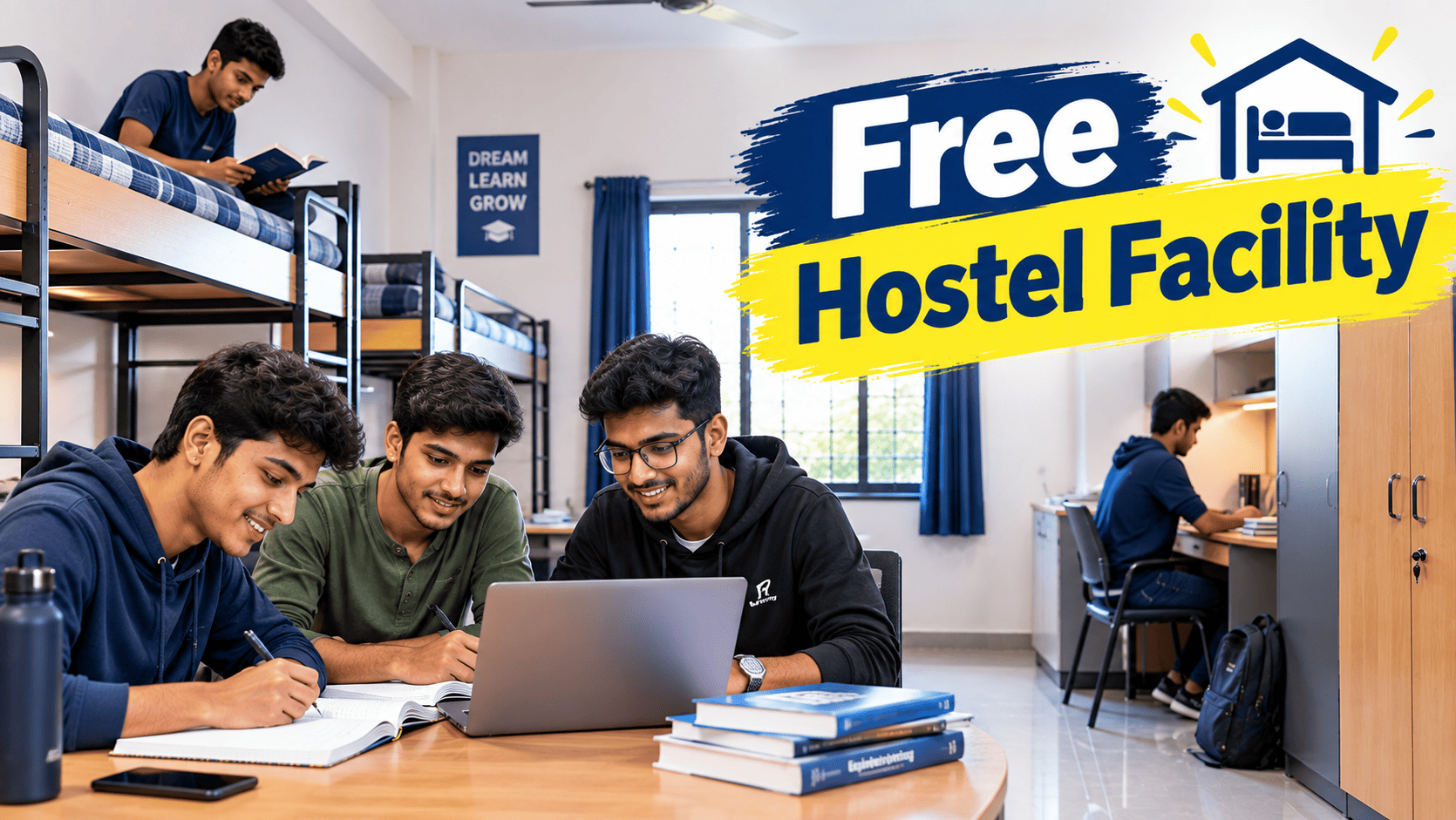
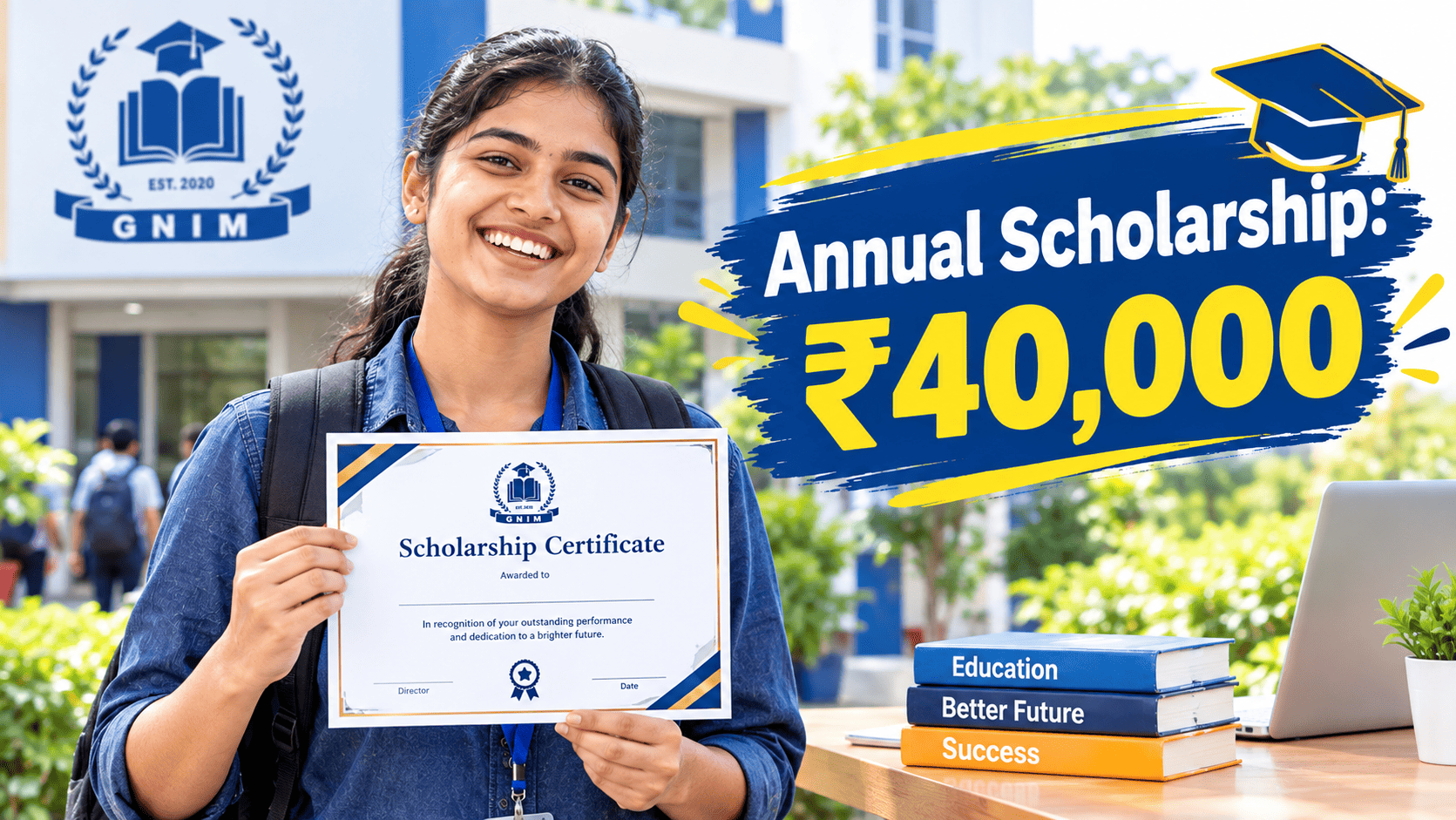
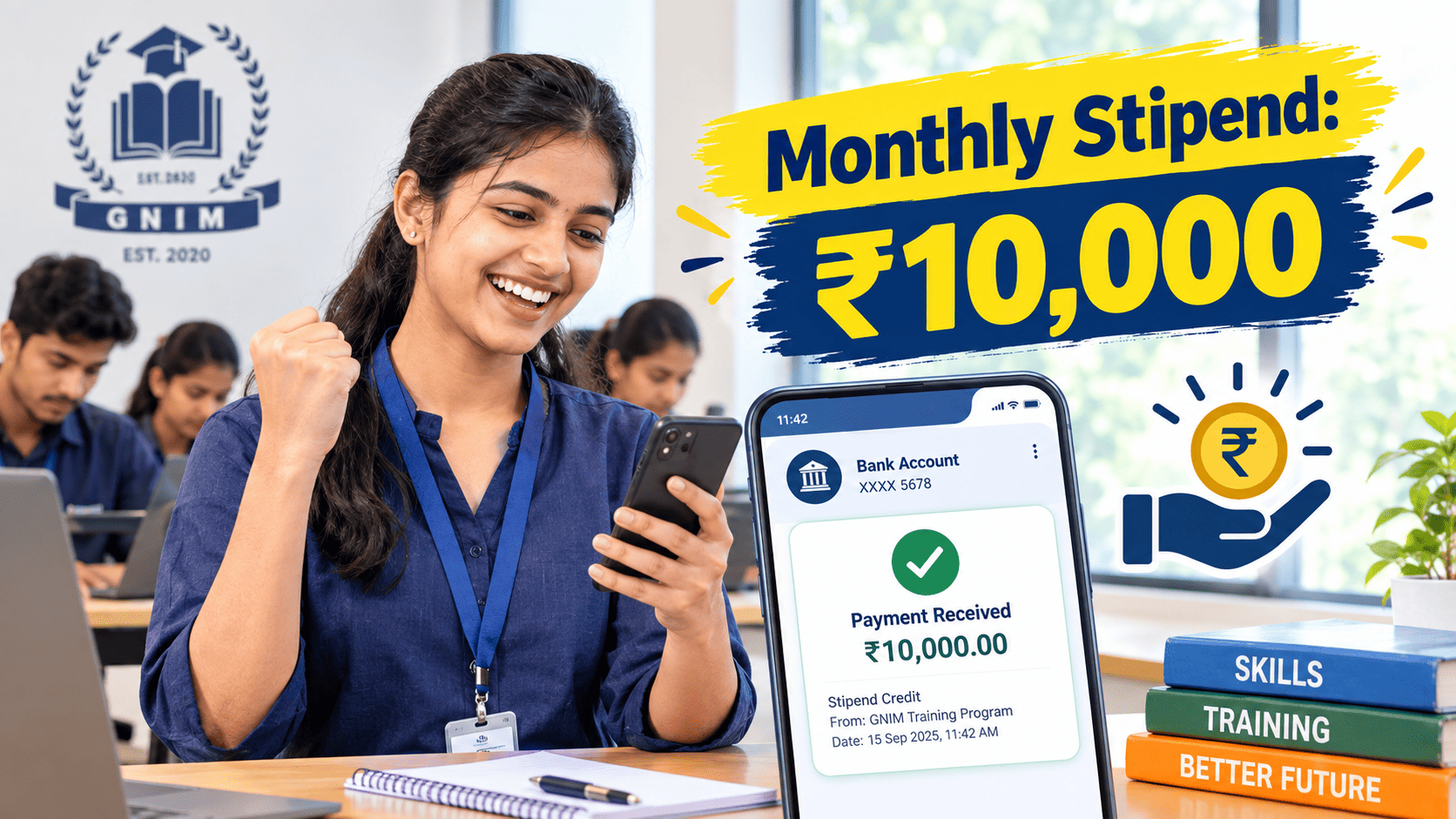
The various free educational and skill development programs at Gurukul National Institute and Management (GNIM) are conducted through an integrated funding framework. These programs are supported by government and CSR-based funds, investments from multiple investor companies, and GNIM’s own resources. This funding enables the provision of free courses and training, monthly stipends, annual scholarships, hostel facilities, and other student support services based on established policies and eligibility criteria. Additionally, a portion of these funds is utilized for the institute's training activities, administrative services, and general office operations. GNIM’s objective follows the sequence: Funding → Free Education & Training → Skill Development → Career Opportunity.
One of GNIM's key objectives is to utilize funding from various sources to facilitate students' education, skill development, and future career opportunities.
4 How does job placement happen after training?
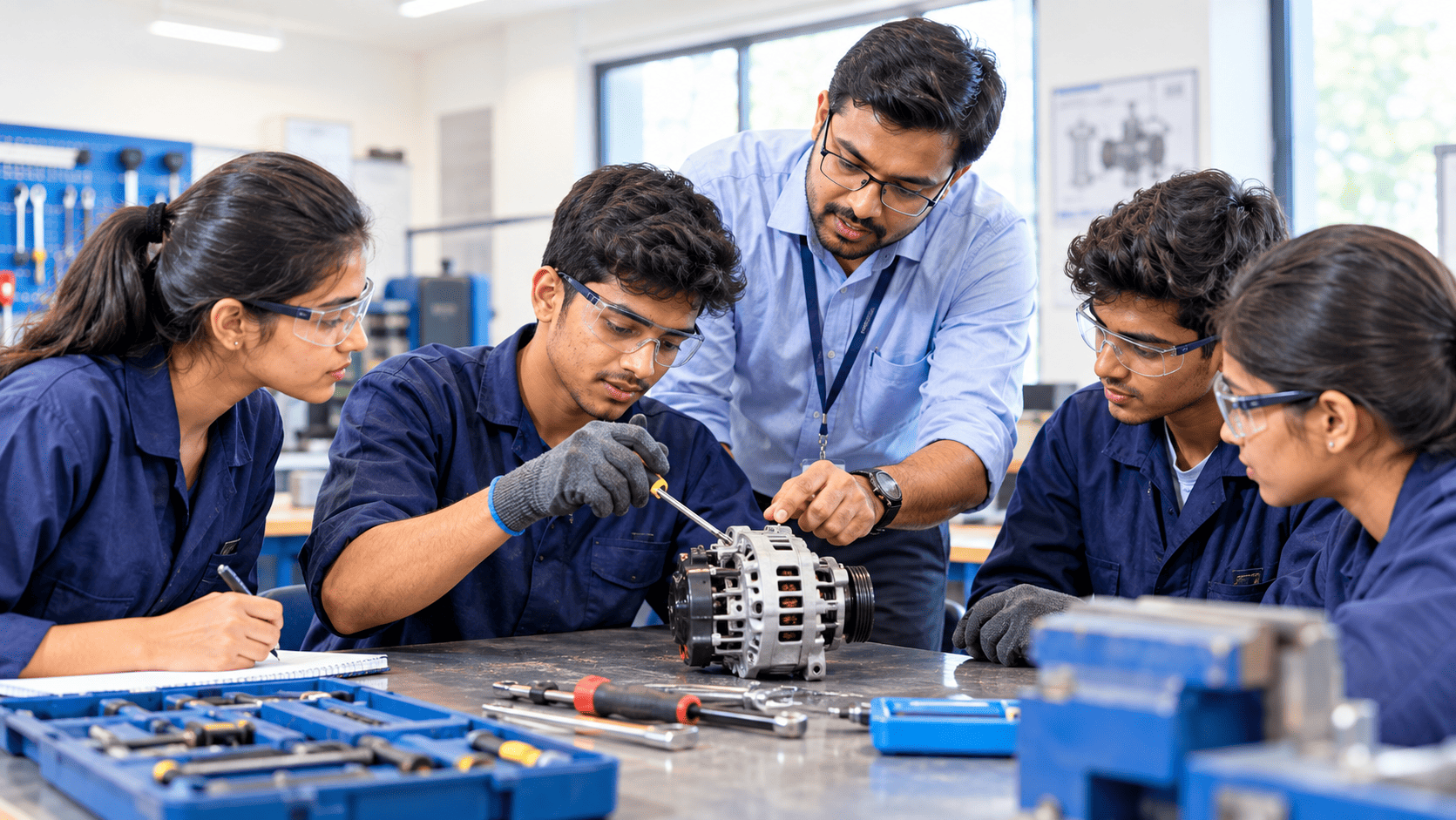
One of the primary objectives of the career-oriented training system at Gurukul National Institute and Management (GNIM) is to prepare students for specific industry sectors and work environments. During the training, students acquire theoretical knowledge and practical skills, while also developing appropriate workplace conduct and the necessary professional readiness. Upon successful completion of the training, students receive job placement support based on their qualifications, skills, and the requirements of relevant organizations. This process includes guidance on connecting with potential employers, participating in interview and selection procedures, and navigating job opportunities. Our placement process follows this sequence: Training → Skill Assessment → Career Guidance → Interview/Selection → Placement Support → Career. "GNIM’s goal extends beyond merely providing training; it aims to assist trained students in securing suitable employment opportunities."
5 How does GNIM keep its institution sustainable using this model?
Gurukul National Institute and Management (GNIM) operates an integrated system combining education, training, and employment through an "Education Management & Job-Placement Oriented Model." The primary objective of this model is to prepare candidates for the workforce through essential courses and training, and subsequently create employment opportunities via affiliated job-placement organizations. A key component of GNIM’s sustainable revenue model is "Job-Placement Linked Recurring Revenue." When a selected candidate secures employment through an affiliated job-placement organization after completing GNIM's training, GNIM is entitled to a designated management fee in accordance with the Manpower Supply Agreement executed with that organization. Under the terms of the agreement, this payment is made on a monthly basis, with the amount varying according to the project, job role, personnel, and nature of the contract. For instance, under GNIM's model, the monthly management revenue per selected employee may range from approximately ?10,000 to ?50,000, though the actual amount depends on the specific terms of the agreement. Consequently, GNIM’s revenue structure is not limited to one-time course or training fees; instead, it establishes a recurring revenue structure through a continuous cycle of Training → Placement → Employment → Contractual Service Revenue.
Five-Year Employment Commitment: In accordance with GNIM's policy, selected candidates are required to provide an employment declaration committing to remain in service for a period of five years.
How GNIM ensures sustainability: Through this model, GNIM provides education, skill development, and job placement support to candidates while simultaneously generating management revenue from partner organizations under contractual agreements. In other words, GNIM’s operations do not conclude merely with the provision of training; the subsequent linkage to employment creates opportunities for long-term revenue generation within the scope of these agreements. This recurring revenue helps cover administrative costs, training infrastructure, placement management, student support, and other operational expenses.
Thus, the core structure of GNIM’s sustainable business model can be summarized as follows: Candidate Enrollment → Training & Skill Development → Job Placement → Employment → Management Revenue → Institutional Sustainability. Through this model, GNIM aims to build a self-sustaining education and employment management ecosystem by integrating education and employment within a long-term management framework.
6. How do the three parties—students, employers, and GNIM—benefit from this entire system?
• Benefits for Students:
Students gain access to a structured pathway for training and employment entirely free of cost. They secure job opportunities with suitable employers and have the chance to acquire skills and work experience. Opportunities to earn an income through regular employment are created. Additionally, students can undergo training tailored to specific employer requirements through GNIM.
• Benefits for Employers:
Employers gain access to a pool of trained manpower through GNIM, eliminating the need to search for large numbers of candidates independently. This reduces the administrative workload associated with recruitment, initial screening, and manpower coordination. It becomes easier to find candidates suited to specific job roles, establishing a structured channel for hiring based on manpower requirements. Employers avail themselves of this service by paying a monthly manpower supply charge to GNIM, as per the agreement.
• Benefits for GNIM:
GNIM’s revenue model is structured primarily around Education and Manpower Services. GNIM connects students to training and employment pathways at no cost to them. It handles candidate sourcing, training, documentation, and coordination based on the employer's manpower requirements. In return, GNIM receives a Manpower Supply Service Fee or Placement & Workforce Management Fee from the employer, as stipulated in the agreement. Simultaneously, this fosters an organized employment ecosystem connecting students and employers.
- A simple flow:
Student: Apply => GNIM: Training => Employer: Employment => Employer: GNIM Manpower Supply Charge.
Our Gallery









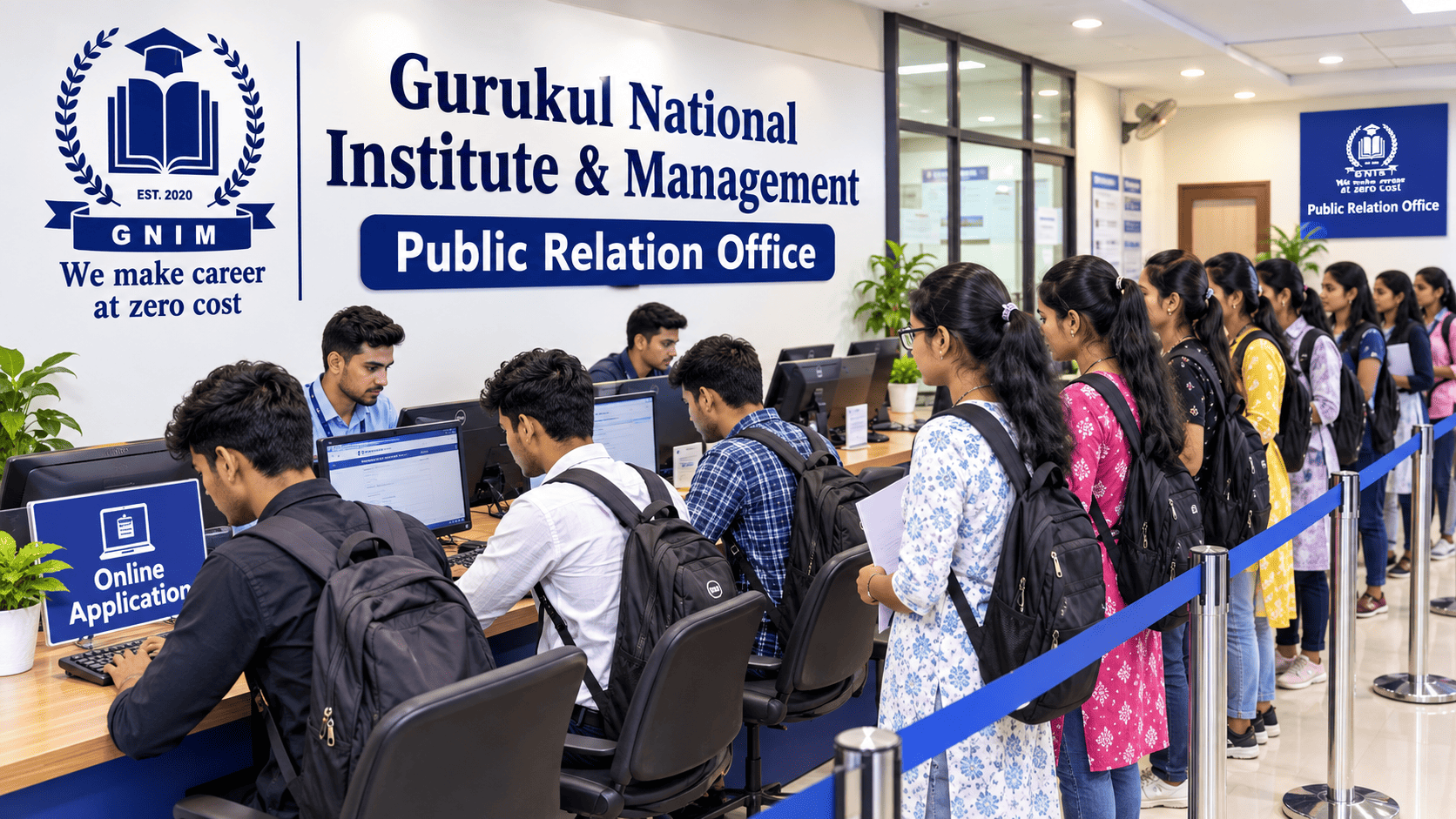
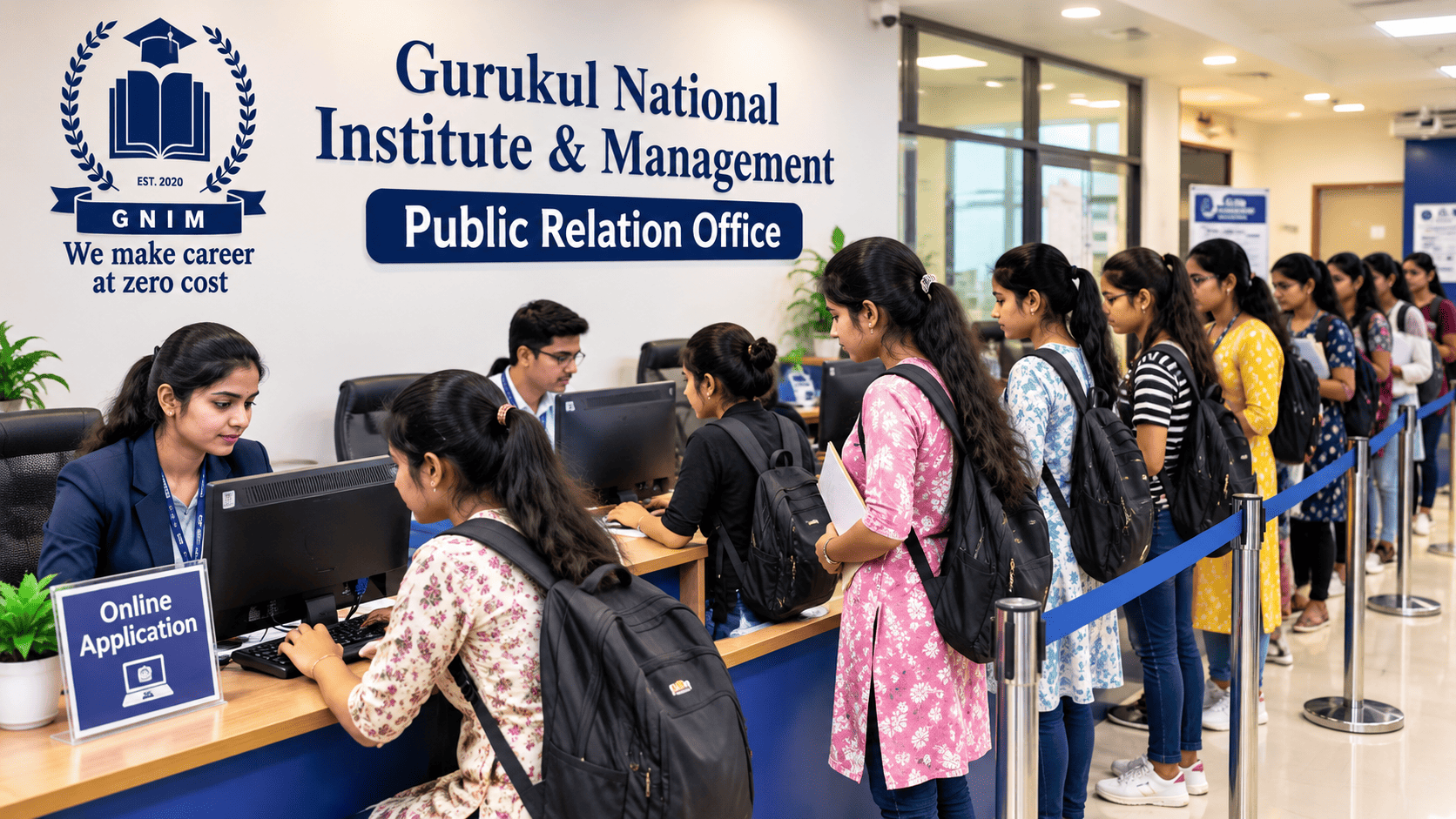
Our Course Collaborating Institutes


Our Placement Collaborating Organization




.png)
.png)
.png)
.jpg)

.jpg)