
- 033-6902-9692 & 9093085089
- info@gnim.org











INFORMATION TECHNOLOGY

Diploma in Cloud Computing
CLOUD SUPPORT ENGINEER
Diploma in Cloud Computing
Sector: Information Technology
Introduction
Cloud computing has become an essential part of modern Information Technology, enabling organizations to store data, operate applications, manage computing resources, and deliver digital services through cloud-based infrastructure.
The Diploma in Cloud Computing is designed to provide students with foundational and practical knowledge of cloud technologies, cloud infrastructure, virtualization, networking, storage, security, and cloud-based services.
The program is intended to develop skilled candidates who can understand cloud environments, assist with cloud infrastructure operations, troubleshoot technical issues, and provide support for cloud-based systems.
What is the Course?
The Diploma in Cloud Computing is a career-oriented technical program focused on the fundamental concepts, technologies, tools, and practices used in cloud computing.
Students learn how cloud platforms operate and how organizations use cloud-based resources for computing, storage, networking, databases, applications, and digital services.
The course also introduces students to cloud infrastructure management, virtualization, cloud security, monitoring, troubleshooting, and basic automation concepts.
Successful completion of the program can help candidates develop a foundation for pursuing entry-level opportunities in cloud support and related Information Technology roles.
Definition and Purpose
Cloud computing refers to the delivery of computing resources and technology services over a network, allowing organizations and users to access computing power, storage, applications, databases, and other resources without relying solely on locally installed infrastructure.
The purpose of the Diploma in Cloud Computing is to provide students with practical knowledge of cloud environments and develop the technical abilities required to support cloud-based systems.
The program focuses on developing an understanding of cloud infrastructure, networking, storage, virtualization, security, monitoring, troubleshooting, and cloud service management.
Course Curriculum
The course curriculum is designed to introduce students to fundamental and practical aspects of cloud computing.
Students may begin with basic computer and networking concepts before progressing to cloud architecture, virtualization, cloud storage, cloud networking, cloud security, cloud platforms, monitoring, troubleshooting, and cloud management.
The curriculum may also include practical assignments, laboratory exercises, technical projects, system configuration activities, and industry-oriented training.
The exact curriculum and modules may vary according to the applicable academic structure and program requirements.
Subjects Covered
Major subjects and areas of study may include:
Fundamentals of Cloud Computing
Computer Fundamentals
Computer Networking
Operating Systems
Cloud Architecture
Cloud Infrastructure
Virtualization Technology
Cloud Storage
Cloud Networking
Cloud Databases
Cloud Security
Identity and Access Management
Cloud Monitoring
Cloud Resource Management
Cloud Service Models
Cloud Deployment Models
Server Management
Data Backup and Recovery
Cloud Troubleshooting
Cloud Automation Fundamentals
DevOps Fundamentals
Cloud Application Fundamentals
Practical Cloud Projects
These subjects are intended to provide students with an understanding of the technologies and operational practices used in modern cloud environments.
Practical Training
Practical training is an important component of the program. Students can gain hands-on exposure to cloud computing concepts through laboratory exercises, cloud infrastructure activities, networking exercises, virtualization tasks, system administration activities, monitoring exercises, and troubleshooting assignments.
Students may learn how to configure basic cloud resources, manage users and access permissions, work with virtual machines, understand cloud storage, monitor cloud resources, identify common technical issues, and implement basic solutions.
Practical projects can help students understand how cloud technologies are applied in real-world IT environments.
Eligibility Criteria
Candidates seeking admission to the Diploma in Cloud Computing program should fulfill the applicable eligibility requirements prescribed for the course.
Eligibility requirements may vary according to the applicable admission rules and program guidelines.
Candidates should review the latest eligibility requirements before submitting their application.
Who Can Enroll?
The program is suitable for candidates who have an interest in computers, networking, cloud technology, system administration, digital infrastructure, and Information Technology.
It can be suitable for students and candidates who wish to develop technical knowledge for entry-level opportunities in cloud support, IT support, infrastructure support, system administration, and related technology fields.
Candidates interested in developing a career in the growing field of cloud computing can consider this program as a foundation for further technical education and professional development.
Age Limit
The applicable age requirements will be determined according to the admission rules and eligibility conditions applicable to the program at the time of admission.
Candidates should verify the latest age-related requirements before applying.
Educational Qualifications
Candidates should possess the educational qualifications prescribed for admission to the Diploma in Cloud Computing program.
The required qualification may depend upon the applicable program and admission guidelines.
Candidates are advised to check the current educational eligibility requirements before submitting an application.
Benefits of the Cloud Support Engineer Course
The Diploma in Cloud Computing provides candidates with an opportunity to develop technical knowledge and practical skills in an important and rapidly developing area of Information Technology.
The major benefits offered under the program include the following.
Completely Free of Charge
The course is completely free of charge for eligible selected candidates, subject to the applicable terms and conditions of the program.
This provides eligible candidates with an opportunity to receive career-oriented technical education without the burden of course fees.
Free Hostel Accommodation
Free hostel accommodation is provided to eligible candidates, subject to the applicable program conditions.
The hostel facility can help students focus on their education and training while reducing accommodation-related expenses.
Monthly Stipend of Rs. 10,000
A monthly stipend of Rs. 10,000 is provided during the course to eligible selected candidates, subject to the applicable terms and conditions.
The stipend is intended to provide financial support to students during their training period.
Annual Scholarship of Rs. 40,000
An annual scholarship of Rs. 40,000 is awarded for each year of the program to eligible candidates, subject to the applicable scholarship conditions and eligibility requirements.
This financial support can assist students during their academic and training period.
Employment Opportunity After Course Completion
There is an opportunity for immediate employment after successful completion of the course through the institute's placement and employment-support initiatives.
Employment opportunities are subject to successful course completion, candidate eligibility, technical skills, performance, employer requirements, availability of positions, and the recruitment and selection procedures of the respective organization.
Career-Oriented Technical Education
The program provides students with technical knowledge related to cloud computing, infrastructure, networking, virtualization, cloud security, monitoring, and troubleshooting.
This knowledge can help candidates prepare for entry-level roles in cloud support and related IT infrastructure environments.
Career Opportunities
Cloud computing skills are increasingly used across organizations that rely on digital infrastructure and online services.
After completing the Diploma in Cloud Computing, candidates may explore opportunities in cloud support, IT infrastructure, technical support, system administration, cloud operations, and related fields.
Depending on their skills, experience, specialization, and employer requirements, candidates may pursue roles such as:
Cloud Support Engineer
Cloud Support Associate
Cloud Operations Associate
Cloud Technician
Cloud Administrator
Junior Cloud Engineer
IT Support Engineer
Technical Support Engineer
System Support Associate
System Administrator
Infrastructure Support Associate
Cloud Operations Technician
Network Support Technician
Technical Operations Associate
Career opportunities and job designations may vary according to the candidate's technical capabilities, experience, employer requirements, and prevailing industry conditions.
Skill Development
The program is designed to help students develop important technical and professional skills relevant to cloud computing and IT infrastructure.
Students can develop knowledge of cloud architecture, virtualization, networking, storage, cloud security, system administration, resource management, monitoring, troubleshooting, backup and recovery, and basic cloud automation.
The program can also help candidates develop problem-solving, analytical thinking, technical communication, teamwork, documentation, and workplace skills.
These skills can provide a foundation for further specialization in cloud computing and related technologies.
Why Choose GNIM for This Course?
Gurukul National Institute and Management provides eligible candidates with an opportunity to pursue career-oriented technical education in the Information Technology sector.
The Cloud Support Engineer program is designed to combine technical education with practical and industry-oriented training.
Key benefits include completely free education, free hostel accommodation, a monthly stipend of Rs. 10,000 during the course, an annual scholarship of Rs. 40,000 for each year of the program, practical training, and employment opportunities after successful course completion, subject to applicable terms and conditions.
The program is intended to help candidates build a technical foundation and develop practical skills that can support their entry into cloud computing and related IT infrastructure roles.
Placement Confirmation
It is worth noting that Gurukul National Institute and Management offers job opportunities through collaborative relationships with leading government-recognized organizations.
The institute's placement and employment-support initiatives are intended to connect eligible and qualified candidates with suitable employment opportunities after successful completion of their training.
Job roles, employment locations, salary packages, recruitment requirements, and appointment conditions may vary according to the requirements and recruitment procedures of the respective organizations.
Placement or employment opportunities are subject to successful course completion, candidate eligibility, performance, employer requirements, availability of suitable positions, and the respective organization's selection process.
How to Enroll / Admission Process
Candidates interested in the Cloud Support Engineer course should complete the admission process through the official GNIM website only.
Official Website: www.gnim.org
Only applications submitted through the official online application process will be considered.
No offline application has been received.
Candidates should carefully review the course information, eligibility requirements, admission instructions, and applicable terms before submitting their application.
Application Procedure
Interested candidates can apply online through the GNIM website.
Candidates should visit the official GNIM website and complete the online application form with accurate and complete information.
Applicants should provide the required information and documents as requested during the application process.
After submitting the application, candidates should follow the instructions provided by GNIM regarding the subsequent stages of admission, selection, document verification, and enrollment.
Candidates are advised to use only the official GNIM website for submitting their application and to avoid unofficial application channels.
Conclusion
The Diploma in Cloud Computing provides candidates with an opportunity to develop technical knowledge and practical skills in cloud computing and IT infrastructure.
The program combines career-oriented technical education with practical training and financial support for eligible selected candidates.
The benefits include completely free education, free hostel accommodation, a monthly stipend of Rs. 10,000 during the course, an annual scholarship of Rs. 40,000 for each year of the program, practical training, and employment opportunities after successful completion, subject to applicable terms and conditions.
Candidates interested in cloud computing, IT infrastructure, networking, system administration, and cloud support can explore this program and review the applicable eligibility and admission requirements.
Call to Action
For further information regarding course details, eligibility, admission, training, and employment opportunities, interested candidates may contact Gurukul National Institute and Management.
Contact Number: +91 9093085089
WhatsApp Available
Our Gallery


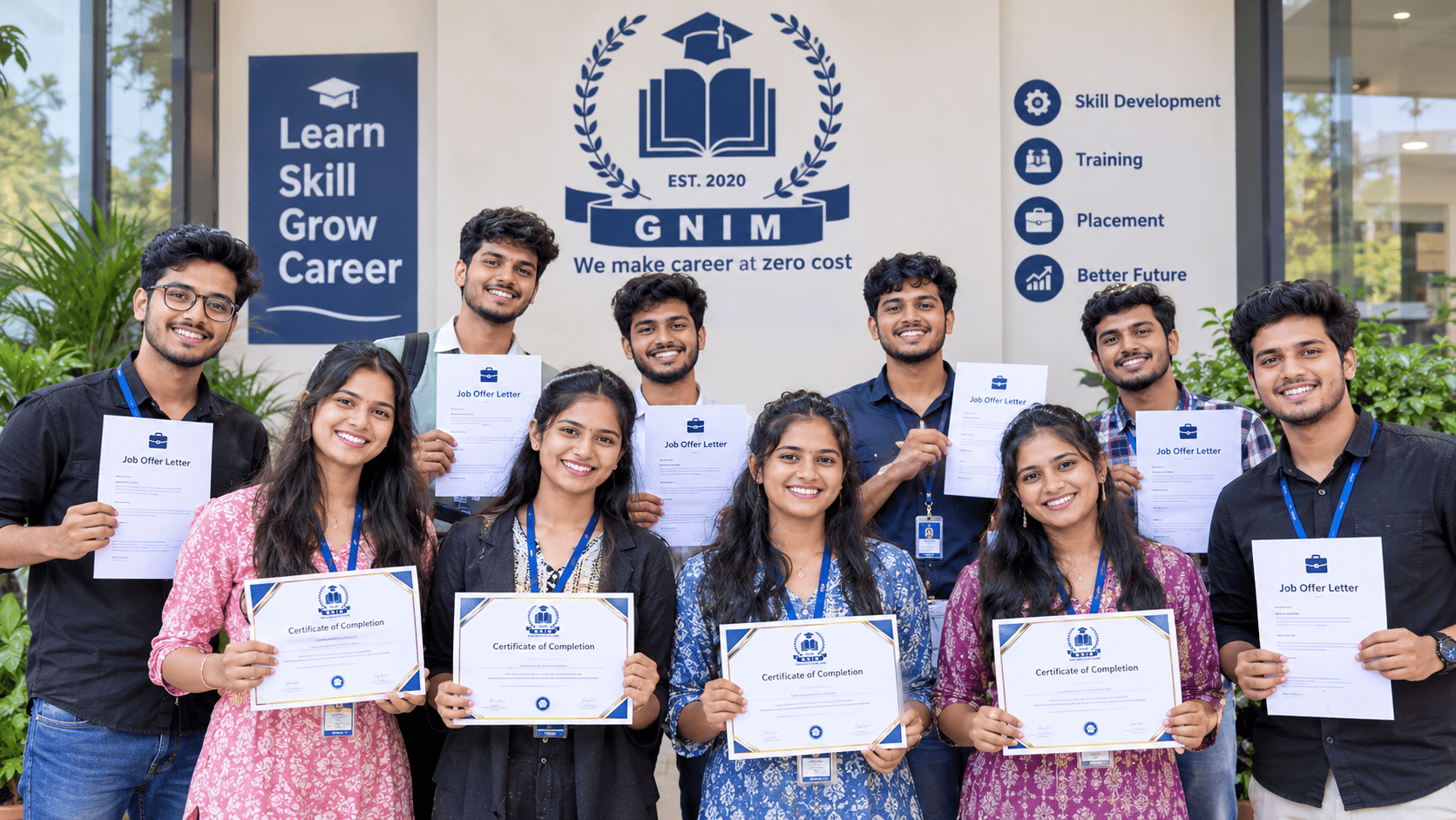













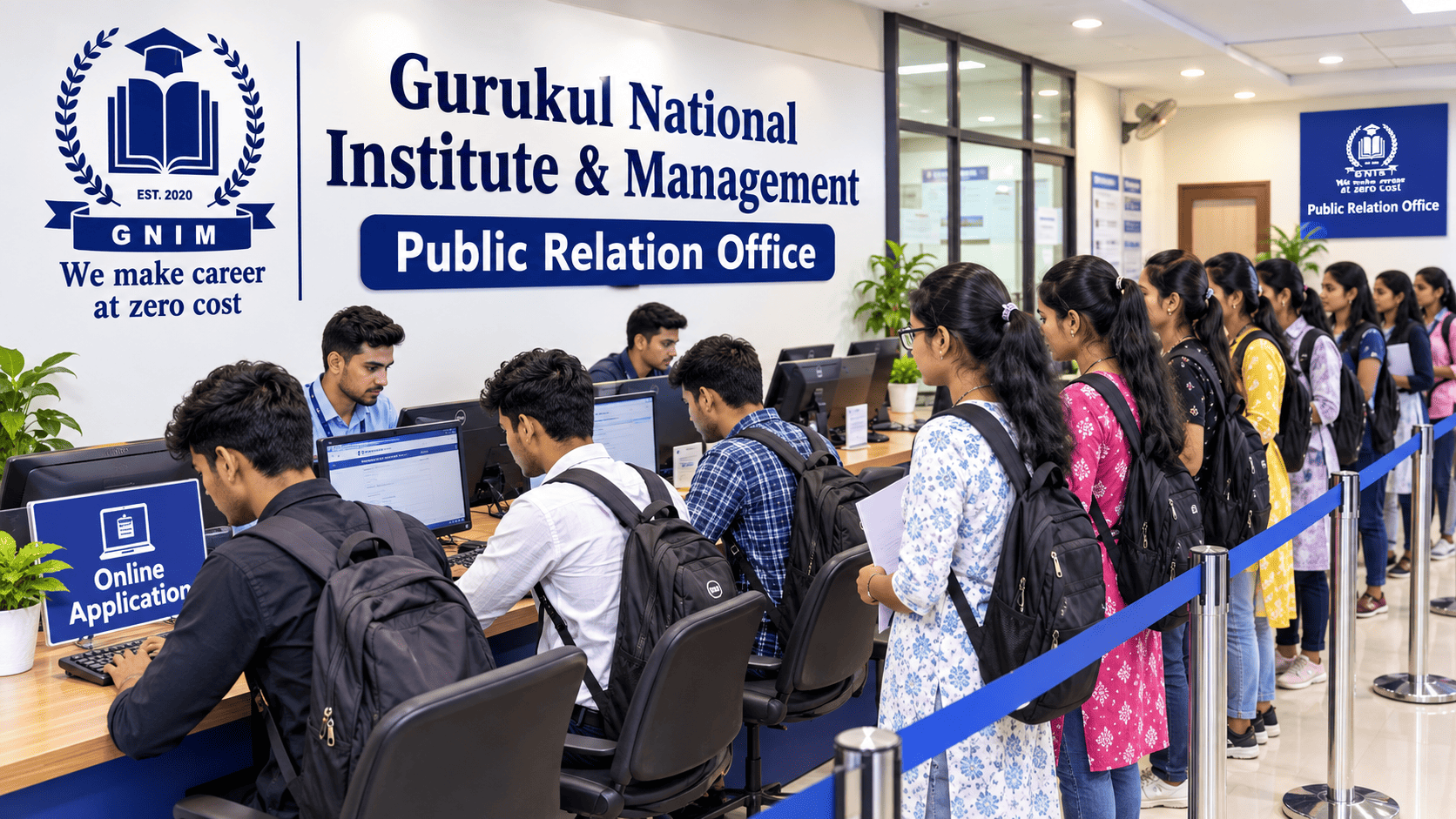
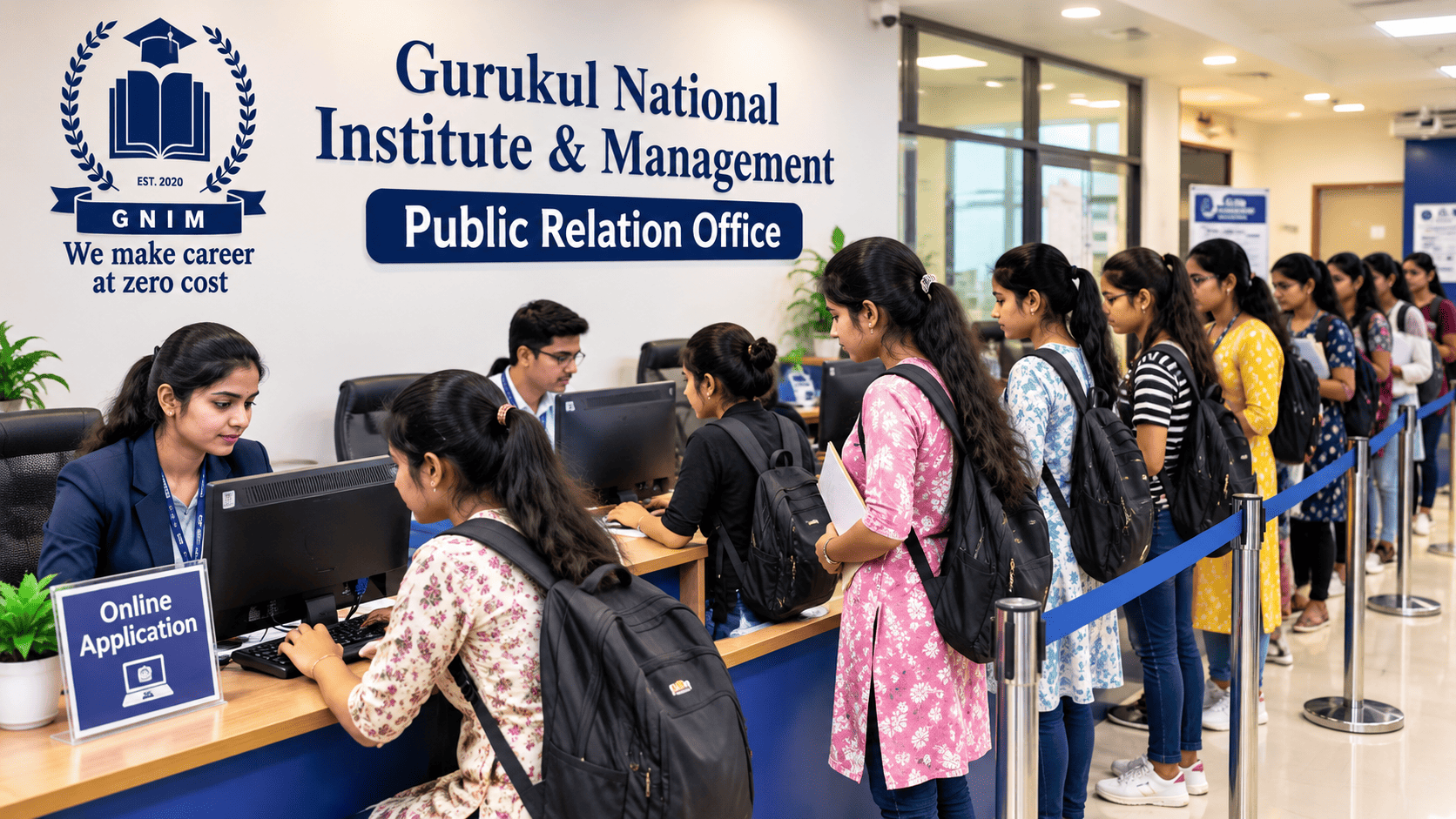
Our Course Collaborating Institutes





























Our Placement Collaborating Organization

















.png)
.png)
.png)
.jpg)

.jpg)