
- 033-6902-9692 & 9093085089
- info@gnim.org











AUTOMOBILE
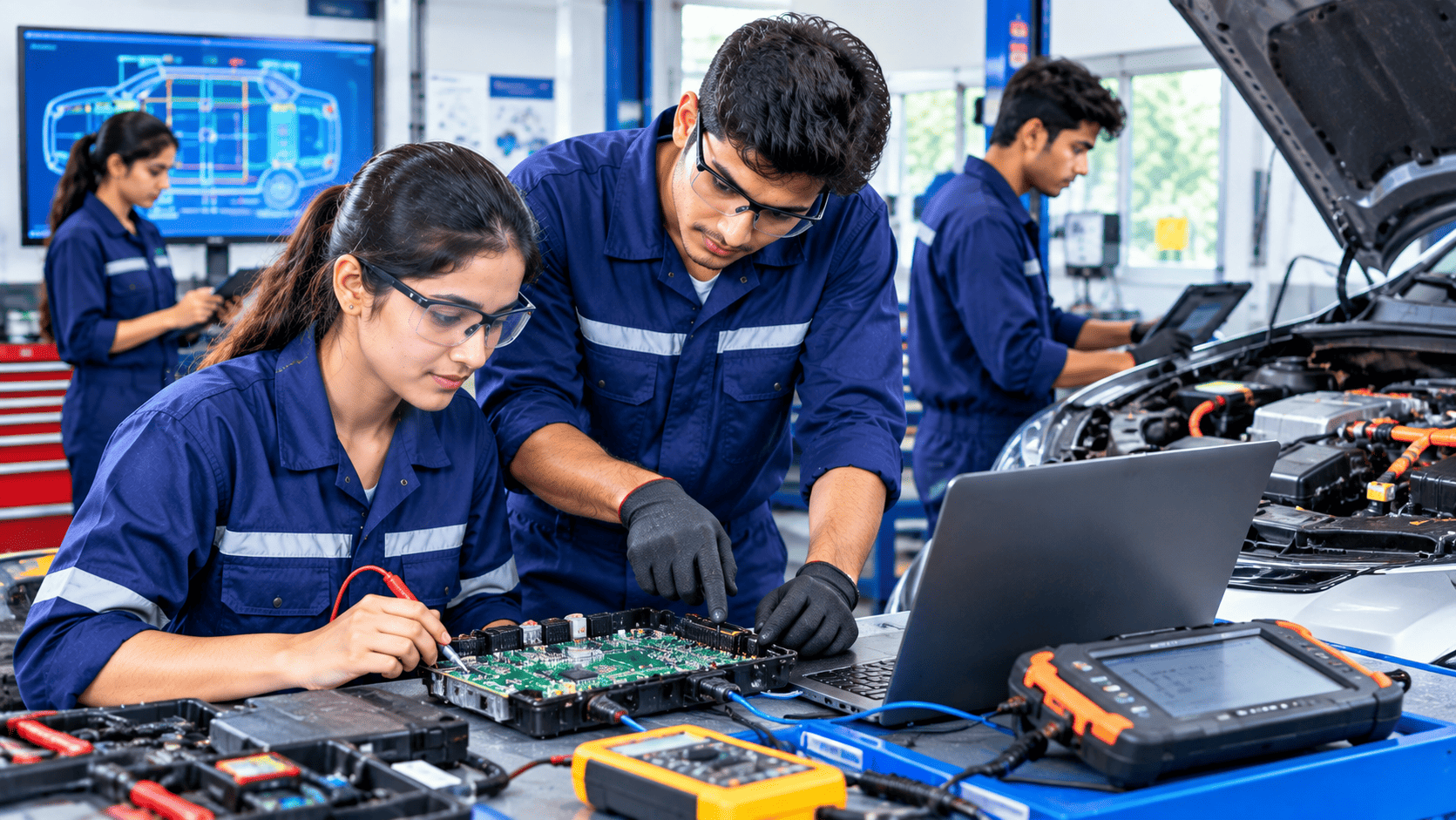
B. Tech in Automotive Electronics
Automotive Electronics Engineer
B. Tech in Automotive Electronics
Sector: Automobile Technician
Offered by Gurukul National Institute and Management
Introduction
The B. Tech in Automotive Electronics is a specialized technical program designed for students who want to build a professional career at the intersection of automobile engineering, electronics, electrical systems, embedded technology, and modern vehicle technology.
As automobiles increasingly depend on electronic control systems, sensors, computerized diagnostics, electric power systems, communication networks, and advanced safety technologies, skilled automotive electronics professionals are becoming increasingly important across the automobile sector.
Gurukul National Institute and Management provides an opportunity for eligible candidates to pursue this career-oriented program with significant educational and financial support. As stated by GNIM, the course is completely free of charge, free hostel accommodation is provided, eligible students receive a monthly stipend of Rs. 10,000 during the course, and an annual scholarship of Rs. 40,000 is provided for each year of the program. Candidates also receive an opportunity for employment after successful completion of the course, subject to the applicable selection and placement requirements.
What is the Course?
The B. Tech in Automotive Electronics is a technology-focused undergraduate program that combines automobile engineering with electronics and electrical technologies.
The course focuses on how electronic systems are designed, integrated, monitored, diagnosed, and maintained in modern vehicles. Students can develop knowledge of vehicle electronics, electronic control units, sensors, actuators, automotive communication systems, embedded systems, vehicle diagnostics, electrical systems, and emerging automotive technologies.
The program is intended to prepare students for technical roles in automobile manufacturing, vehicle servicing, diagnostics, automotive electronics, electric mobility, component manufacturing, and related industries.
Definition and Purpose
Automotive Electronics refers to the application of electronic engineering and computer-based technologies in automobiles.
Modern vehicles contain numerous electronic systems responsible for functions such as engine management, transmission control, braking assistance, vehicle safety, climate control, infotainment, lighting, battery management, and vehicle diagnostics.
The purpose of this course is to develop technically trained professionals who understand both automobile systems and the electronic technologies that control and monitor them.
Through academic learning and practical exposure, students can develop the ability to understand vehicle electronic architecture, identify technical problems, use diagnostic equipment, interpret electronic information, and support the maintenance and operation of modern automobiles.
Course Curriculum
The curriculum is designed to provide students with a combination of fundamental engineering knowledge, automobile technology, electronics, electrical systems, computer applications, and practical training.
Depending on the prescribed academic curriculum, students may study subjects related to engineering fundamentals, automotive technology, electronics, electrical systems, embedded technology, programming, vehicle diagnostics, control systems, and emerging automobile technologies.
The course progressively develops theoretical understanding and practical competence so that students can apply engineering principles to real-world automotive applications.
Subjects Covered
The program may include subjects and areas such as:
Engineering Mathematics
Engineering Physics
Engineering Chemistry
Engineering Drawing and Computer-Aided Design
Fundamentals of Electrical Engineering
Electronic Devices and Circuits
Digital Electronics
Microprocessors and Microcontrollers
Embedded Systems
Automotive Electrical Systems
Automotive Electronics
Sensors and Actuators
Electronic Control Units
Automotive Control Systems
Automotive Communication Networks
Vehicle Diagnostics
Automotive Instrumentation
Engine Management Systems
Vehicle Safety Electronics
Battery and Power Electronics
Electric and Hybrid Vehicle Technology
Automotive Software and Programming Fundamentals
Automotive Testing and Measurement
Vehicle Maintenance and Troubleshooting
The exact subjects, semester structure, credits, and academic requirements may vary according to the applicable university or academic curriculum.
Practical Training
Practical training is an important component of Automotive Electronics education.
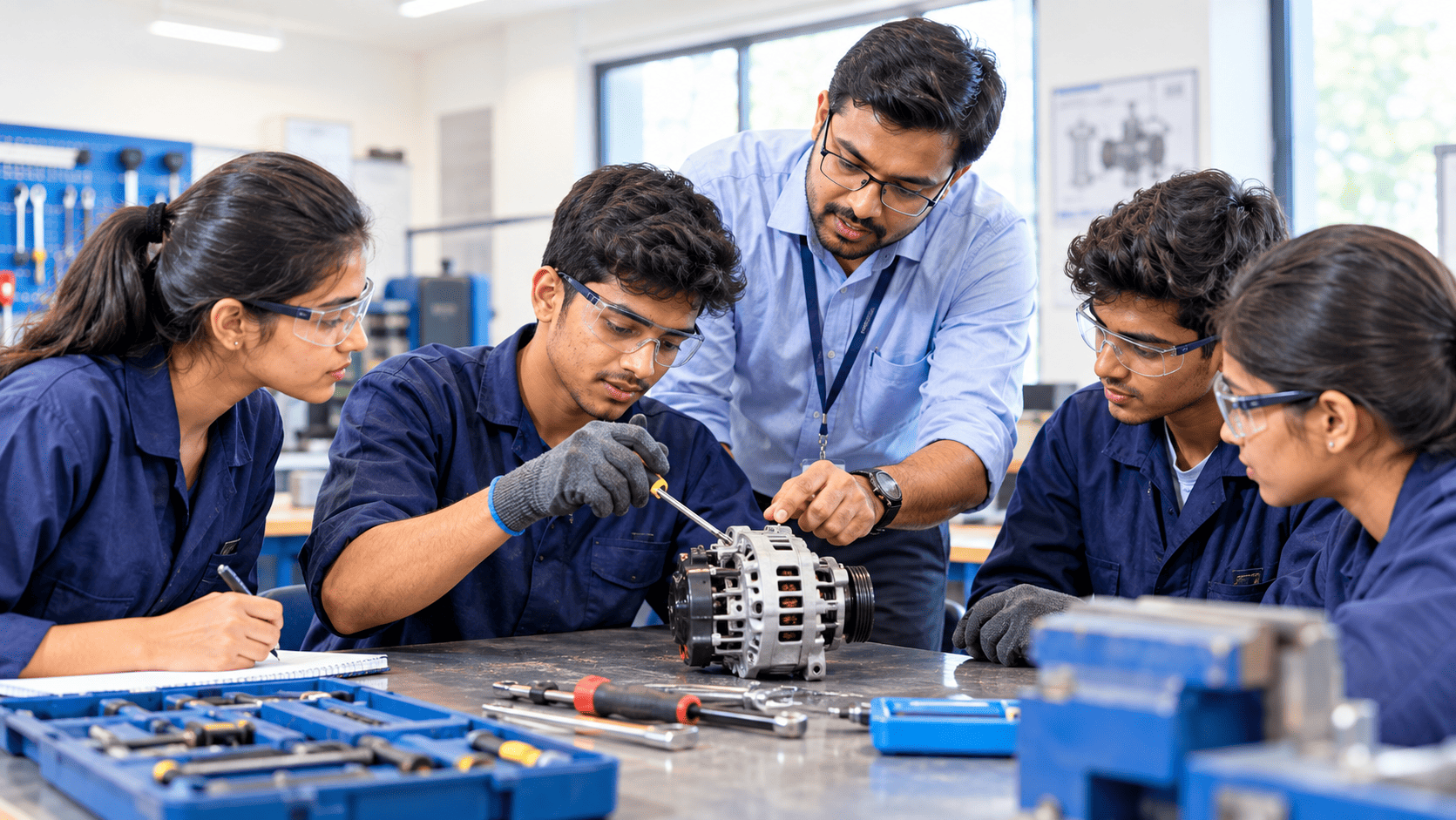
Students can receive hands-on exposure to automotive electrical and electronic systems, diagnostic equipment, sensors, control units, wiring systems, electronic components, measurement instruments, and vehicle troubleshooting procedures.
Practical training may include activities such as identifying automotive electronic components, understanding wiring and circuit systems, using diagnostic tools, testing sensors, examining electronic control units, performing basic fault diagnosis, understanding automotive communication systems, and studying modern vehicle electrical architecture.
This practical exposure helps students connect classroom concepts with real-world automotive applications.
Eligibility Criteria
Admission eligibility will depend on the applicable academic and regulatory requirements for the B. Tech in Automotive Electronics program.
Candidates should carefully check the eligibility requirements applicable to the specific academic session before submitting an application.
Admission may also be subject to entrance examination, merit, document verification, counselling, or other selection procedures prescribed for the program.
Who Can Enroll?
The program is intended for students who are interested in automobile technology, electronics, electrical systems, engineering, vehicle diagnostics, embedded technology, and modern mobility solutions.
Candidates who have a strong interest in understanding how electronic and computerized systems operate inside modern automobiles may find this field relevant to their career goals.
Students should satisfy the prescribed educational and admission requirements before applying.
Age Limit
The applicable age limit will be determined according to the admission rules and requirements of the relevant academic program.
Candidates are advised to verify the current age criteria before completing their application.
Educational Qualifications
Candidates must meet the educational qualification prescribed for admission to the B. Tech in Automotive Electronics program.
Typically, eligibility for an undergraduate engineering program may require completion of the required higher-secondary or equivalent level with subjects prescribed by the relevant academic authority.
The final eligibility, subject requirements, and admission conditions should be verified from the official admission notification applicable to the candidate's academic session.
Benefits of the Automotive Electronics Engineer Course
One of the major advantages of this program is the financial support described by Gurukul National Institute and Management for eligible candidates.
The course is offered completely free of charge.
Free hostel accommodation is provided to eligible students, helping reduce the accommodation expenses associated with pursuing a technical program away from home.
Students receive a monthly stipend of Rs. 10,000 during the course, subject to the applicable terms and conditions.
An annual scholarship of Rs. 40,000 is provided for each year of the program, subject to the applicable scholarship rules and eligibility requirements.
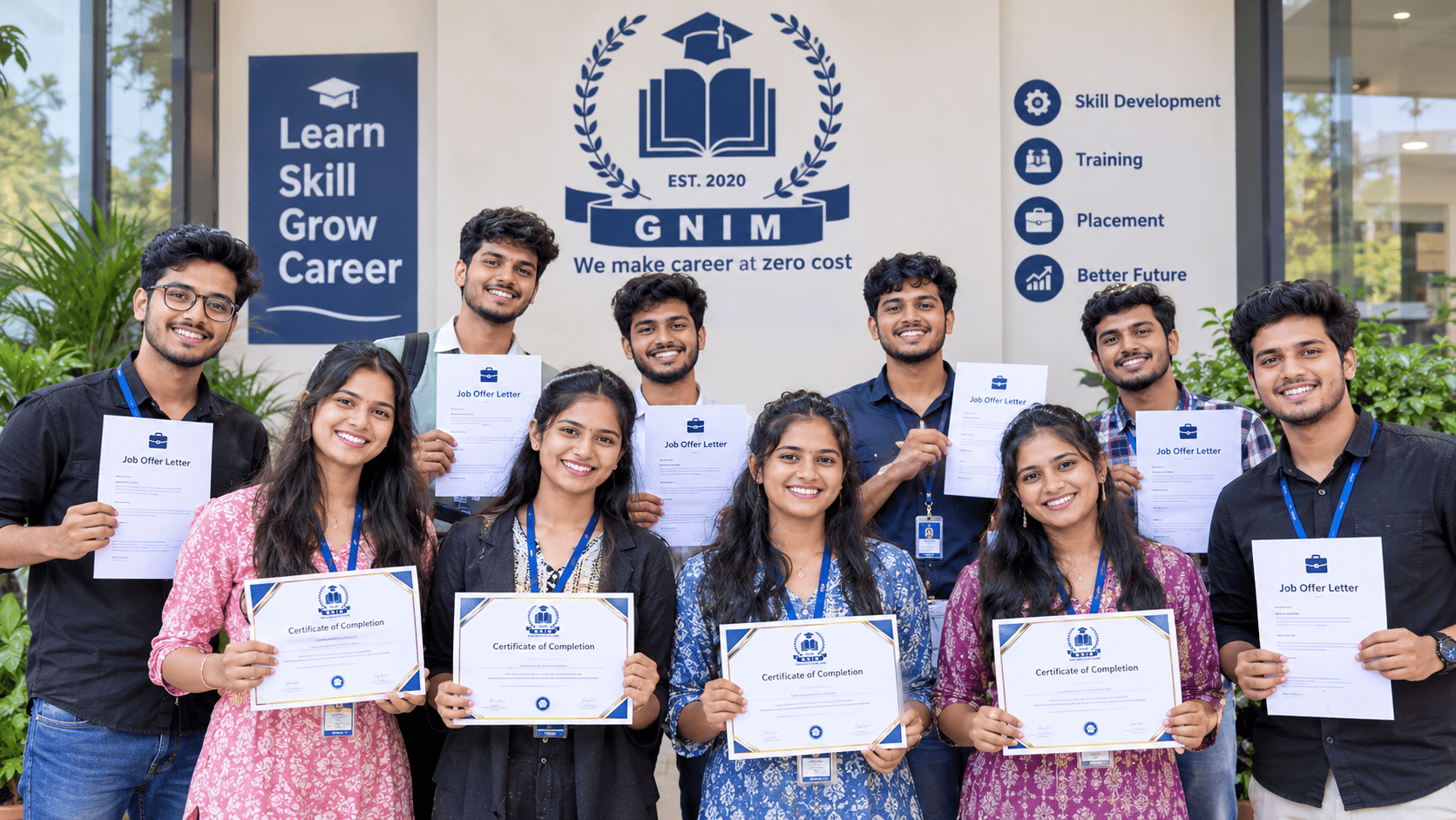
After successful completion of the course, students receive an opportunity for employment through the applicable placement process and selection requirements.
These benefits are designed to reduce the financial burden on students while allowing them to concentrate on their technical education and career development.
Career Opportunities
Successful candidates can explore career opportunities across different areas of the automobile and automotive electronics industry.
Potential career areas include:
Automotive Electronics Engineer
Automotive Electronics Technician
Automotive Diagnostic Engineer
Vehicle Diagnostics Technician
Automotive Electrical Engineer
Automotive Service Engineer
Automotive Testing and Support Professional
Embedded Systems Professional in Automotive Applications
Automotive Component Industry Professional
Electric Vehicle Technology Professional
Automotive Manufacturing and Production Professional
Automotive Research and Development Support
Automotive Maintenance and Technical Support
Career opportunities will depend on the candidate's academic performance, technical skills, practical experience, employer requirements, and applicable recruitment and selection processes.
Skill Development
The course is designed to help students develop both technical knowledge and practical capabilities.
Students can develop skills in automotive electronic systems, electrical circuits, sensors, control units, embedded systems, diagnostic procedures, troubleshooting, vehicle communication systems, measurement techniques, and modern automobile technologies.
The program can also help develop analytical thinking, technical problem-solving, equipment-handling skills, documentation abilities, workplace communication, and professional discipline.
These skills can support students in adapting to the rapidly developing automobile industry, particularly as vehicles become increasingly dependent on electronic and computerized technologies.
Why Choose GNIM for This Course?
Gurukul National Institute and Management focuses on connecting career-oriented education with practical employment opportunities.
For eligible candidates, the program provides several financial benefits, including free course education, free hostel accommodation, a monthly stipend of Rs. 10,000, and an annual scholarship of Rs. 40,000 for each year of the program.
The combination of technical education, practical training, financial support, and employment-oriented preparation can help eligible students pursue a structured career pathway in the automobile and automotive electronics sector.
Candidates should review the official admission information and applicable terms before applying.
Placement Confirmation
Gurukul National Institute and Management states that it offers high-quality job opportunities by maintaining collaborative relationships with leading government-recognized organizations.
After successful completion of the program, eligible candidates can participate in the applicable placement and recruitment process.
Placement opportunities may depend on successful completion of the course, candidate performance, technical skills, eligibility, vacancies, employer requirements, interviews, selection procedures, and other applicable conditions.
Candidates should understand that employment opportunities are subject to the relevant recruitment and selection process of the participating organization.
How to Enroll / Admission Process
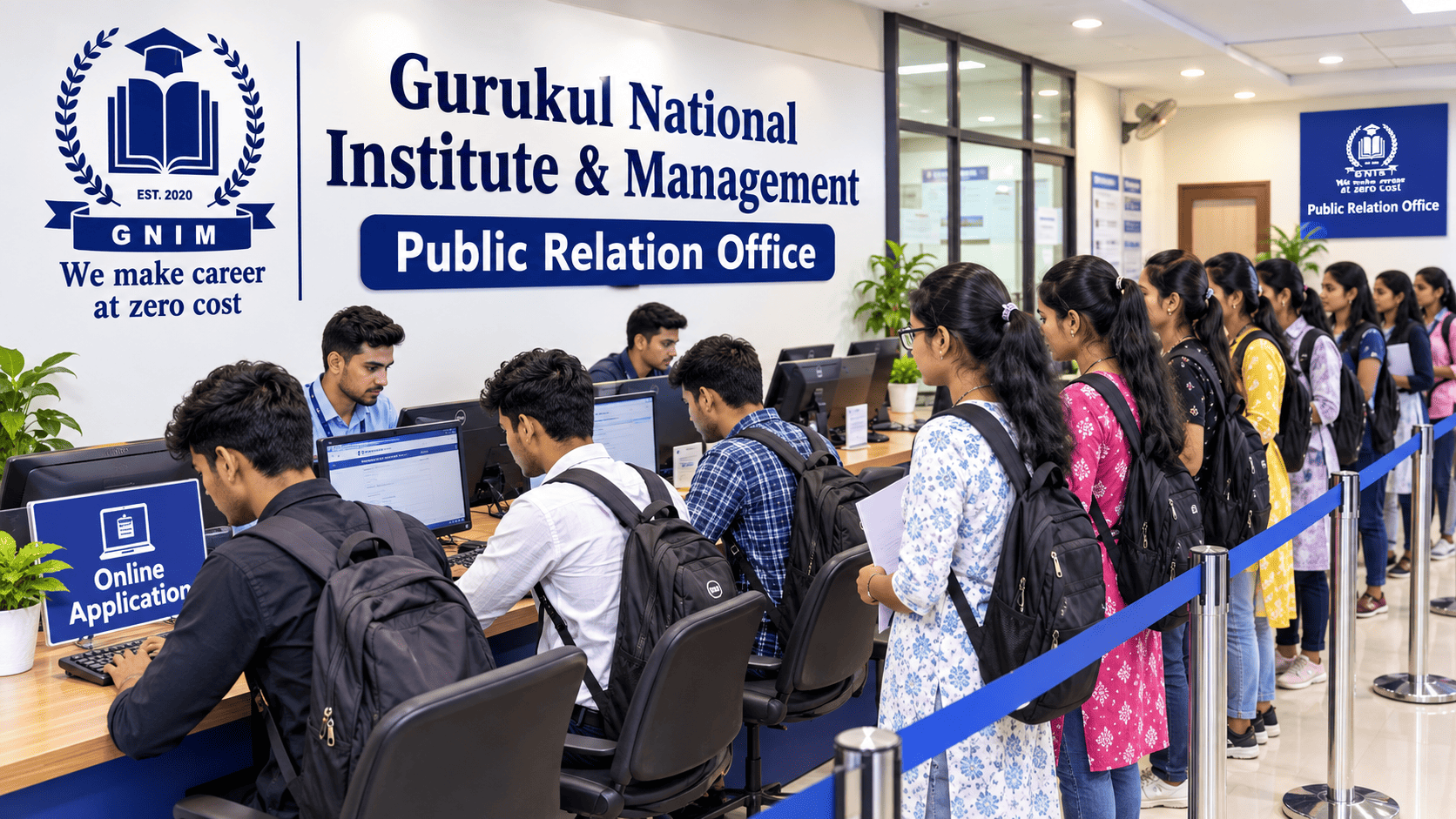
Applications for the program are accepted through the official GNIM website.
Only our official website: www.gnim.org
No Offline application has been received.
Candidates should use the official website for registration, application submission, admission-related information, and further instructions.
Application Procedure
Interested candidates can apply online through the GNIM website.
Visit the official website at www.gnim.org.
Complete the online application form with accurate personal, educational, and contact information.
Upload or provide the required documents and information according to the application instructions.
Review the submitted information carefully before completing the application.
Submit the application through the official online application system.
Candidates should regularly check the official website and their registered contact details for examination, admission, document verification, counselling, or other further instructions.
Conclusion
The B. Tech in Automotive Electronics provides a specialized pathway for students interested in the rapidly developing field of automotive technology.
With its combination of automobile engineering, electronics, electrical systems, embedded technology, diagnostics, and practical training, the program can help students develop knowledge and skills relevant to modern vehicles and the evolving automobile industry.
Gurukul National Institute and Management states that eligible candidates can receive free education, free hostel accommodation, a monthly stipend of Rs. 10,000, and an annual scholarship of Rs. 40,000 for each year of the program. Students who successfully complete the course can also access employment opportunities through the applicable placement and recruitment process.
Candidates are encouraged to carefully review the official admission requirements, eligibility conditions, scholarship terms, and placement conditions before applying.
Call to Action Contact
For admission-related information and assistance:
Gurukul National Institute and Management
Official Website: www.gnim.org
Contact: +91 9093085089
WhatsApp Available
Apply online through the official GNIM website and take the next step toward building a career in Automotive Electronics.
Our Gallery















Our Course Collaborating Institutes

































Our Placement Collaborating Organization
















.png)
.png)
.png)
.jpg)

.jpg)