- 033-2552-1334 & 9093085089
- info@gnim.org










HEALTH DEPARTMENT
Diploma in Medical Imaging Technology
DIPLOMA IN MEDICAL IMAGING TECHNOLOGY
Sector: Health Sector
Designation: Imaging Technician
Course Offered By: Gurukul National Institute and Management
INTRODUCTION
The Diploma in Medical Imaging Technology is a career-oriented program designed for candidates who wish to build a professional career in the healthcare and diagnostic services sector. The course focuses on the fundamental knowledge and practical skills required to work with medical imaging equipment and assist healthcare professionals in diagnostic procedures.
Medical imaging plays an important role in modern healthcare by helping doctors identify, assess and monitor various medical conditions. Trained Imaging Technicians work in diagnostic centres, hospitals, imaging departments and other healthcare facilities where medical imaging services are provided.
Through structured theoretical learning and practical training, this program aims to develop technically skilled candidates who can work responsibly and professionally in an imaging environment.
WHAT IS THE COURSE?
The Diploma in Medical Imaging Technology is a specialized program that provides students with knowledge of medical imaging procedures, imaging equipment, patient preparation, radiation safety, basic anatomy and healthcare practices.
Students are introduced to the principles behind diagnostic imaging and learn how imaging procedures are carried out under appropriate professional supervision.
The program combines classroom-based theoretical education with practical exposure so that students can develop the technical understanding and workplace skills required for an Imaging Technician.
DEFINITION AND PURPOSE
Medical Imaging Technology refers to the use of specialized imaging equipment and procedures to produce images of structures inside the human body for diagnostic purposes.
The purpose of this course is to prepare students to:
Understand the fundamentals of medical imaging technology.
Learn about commonly used diagnostic imaging equipment.
Understand basic human anatomy relevant to imaging procedures.
Learn patient preparation and positioning procedures.
Understand basic imaging protocols and workplace procedures.
Follow appropriate safety, hygiene and infection-control practices.
Develop professional communication and patient-care skills.
Work effectively under the supervision of qualified healthcare professionals.
COURSE CURRICULUM
The curriculum is designed to provide a combination of theoretical knowledge, technical understanding and practical training.
Major areas of learning may include:
Fundamentals of Medical Imaging Technology
Human Anatomy and Physiology
Radiographic Positioning and Procedures
Radiation Physics and Radiation Safety
Radiographic Equipment and Instrumentation
Image Formation and Image Quality
Patient Care and Communication
Medical Terminology
Healthcare Ethics and Professional Conduct
Hospital and Diagnostic Centre Procedures
Basic Infection Prevention and Control
Emergency and First-Aid Awareness
Digital Imaging Technology
Imaging Department Safety Procedures
Practical and Clinical Training
SUBJECTS COVERED
Students may study subjects and modules covering:
Anatomy and Physiology
Basic Physics
Radiation Physics
Radiation Protection and Safety
Radiographic Techniques
Radiographic Positioning
Medical Imaging Equipment
Digital Radiography
Image Processing and Image Quality
Patient Positioning and Preparation
Medical Terminology
Pathology Fundamentals
Patient Care
Hospital Procedures
Infection Control
Healthcare Communication
Professional Ethics
Practical Imaging Training
The exact subjects, sequence and training structure may vary according to the applicable curriculum and program regulations.
PRACTICAL TRAINING
Practical training is an important component of the Diploma in Medical Imaging Technology.
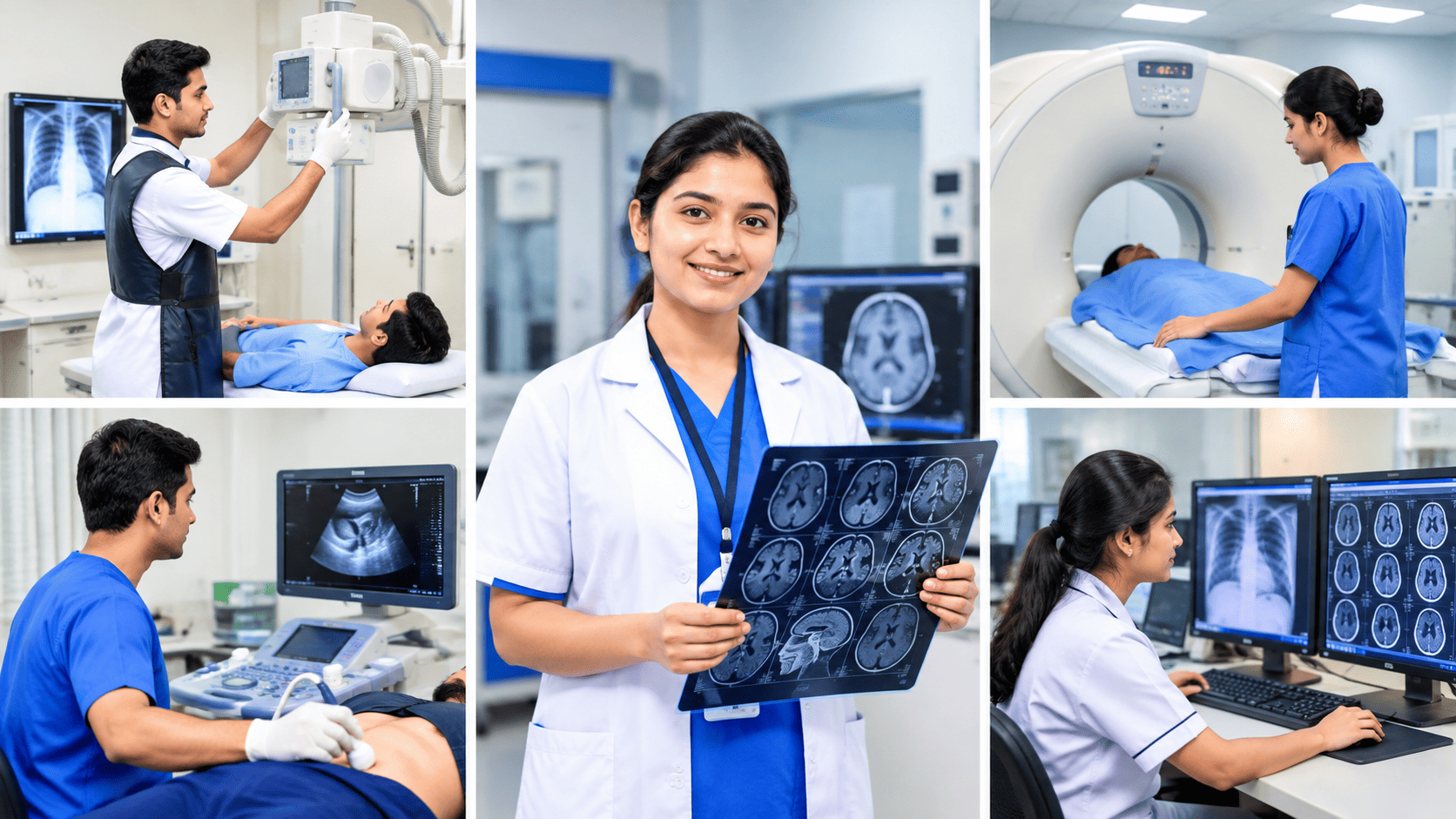
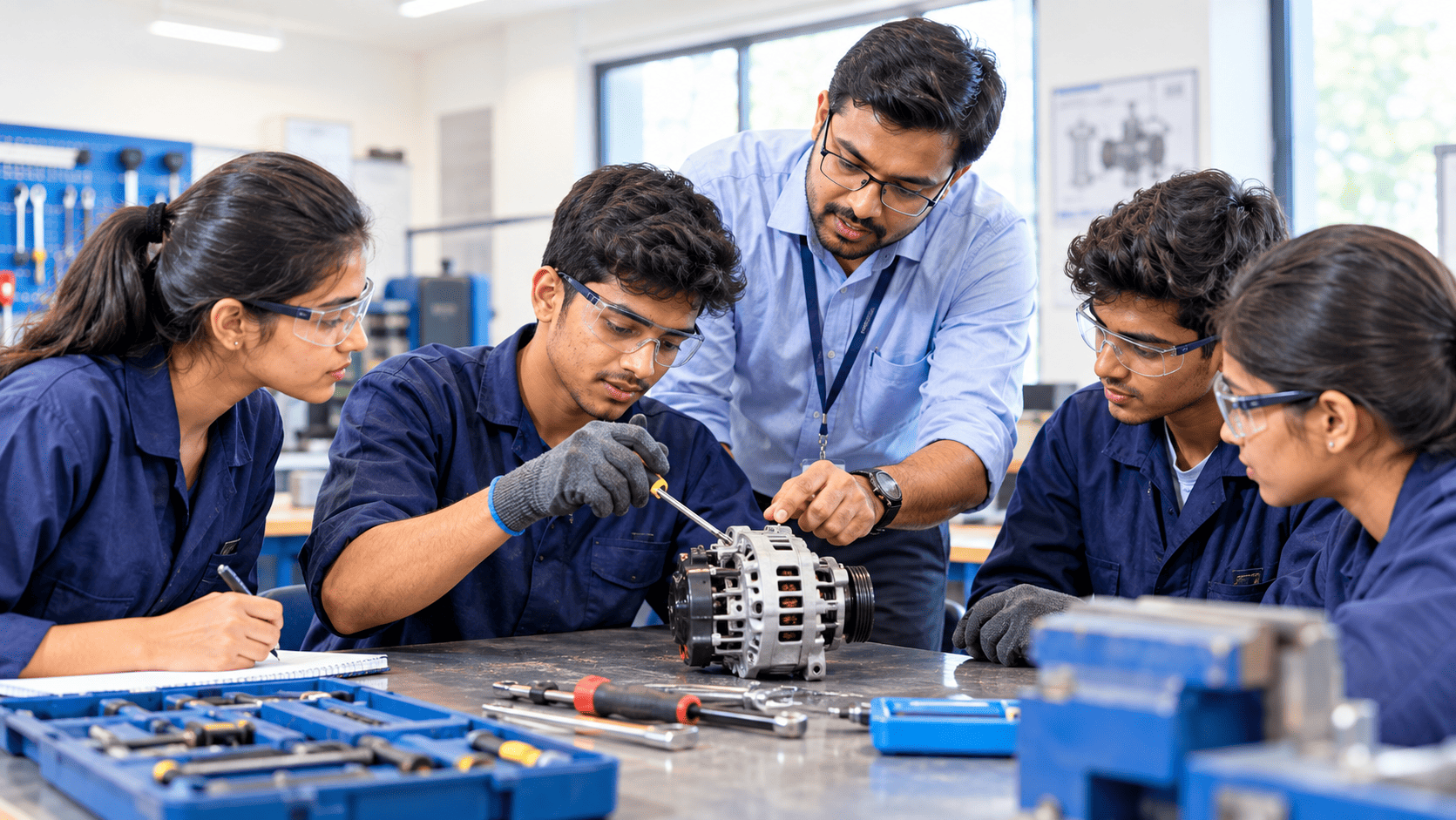
Students receive practical exposure to the working environment of medical imaging services and learn how imaging procedures are organized and performed under appropriate supervision.
Practical learning may include:
Understanding imaging equipment and its basic operation.
Patient identification and preparation.
Patient positioning for different imaging procedures.
Understanding standard imaging procedures.
Learning basic image-quality principles.
Following radiation-safety procedures.
Maintaining hygiene and infection-control practices.
Handling patients professionally and respectfully.
Following departmental safety procedures.
Understanding documentation and workflow in imaging departments.
Practical training is intended to help students develop confidence and workplace readiness while working under appropriate professional supervision.
ELIGIBILITY CRITERIA
Admission eligibility may depend on the applicable program requirements and admission guidelines.
Candidates should carefully review the current eligibility requirements before submitting an application through the official GNIM website.
WHO CAN ENROLL?
The course may be suitable for candidates who:
Have an interest in healthcare and diagnostic services.
Want to develop technical skills in medical imaging.
Are interested in working in hospitals, diagnostic centres and healthcare facilities.
Want to build a career in a technology-oriented healthcare profession.
Are willing to undertake both theoretical and practical training.
Have the required educational qualification prescribed for admission.
AGE LIMIT
The applicable age limit will be determined according to the admission rules and requirements of the particular program.
Candidates should verify the current age eligibility before submitting their application.
EDUCATIONAL QUALIFICATIONS
Candidates must possess the educational qualification prescribed for the Diploma in Medical Imaging Technology.
The minimum qualification may depend on the applicable curriculum, admission rules and program requirements. Candidates are therefore advised to check the latest eligibility information published on the official GNIM website before applying.
BENEFITS OF THE COURSE
Gurukul National Institute and Management provides a range of benefits to eligible and selected candidates under the program.
The course is offered completely free of charge to eligible candidates.
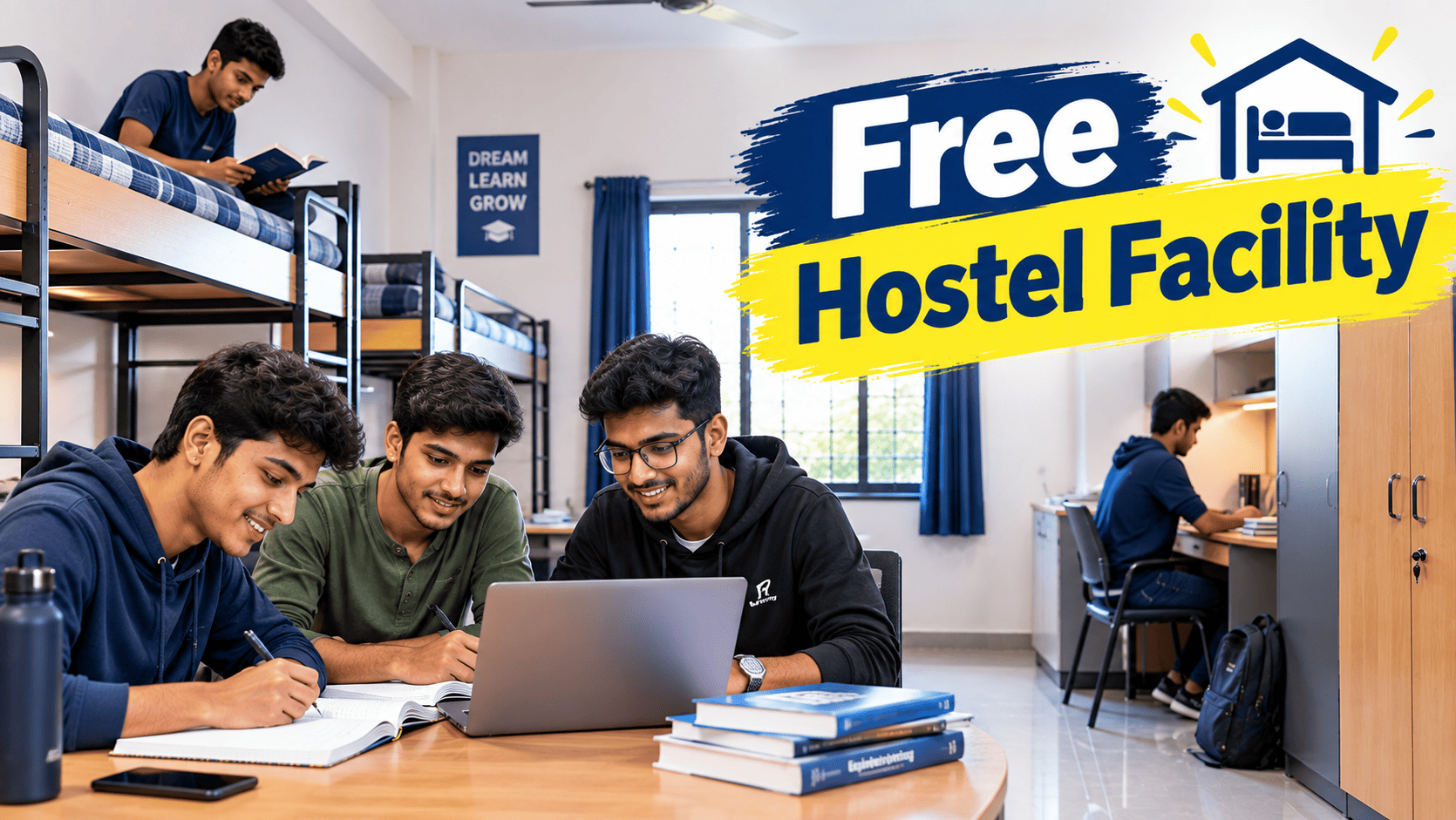
Free hostel accommodation is provided, subject to applicable program rules and availability.
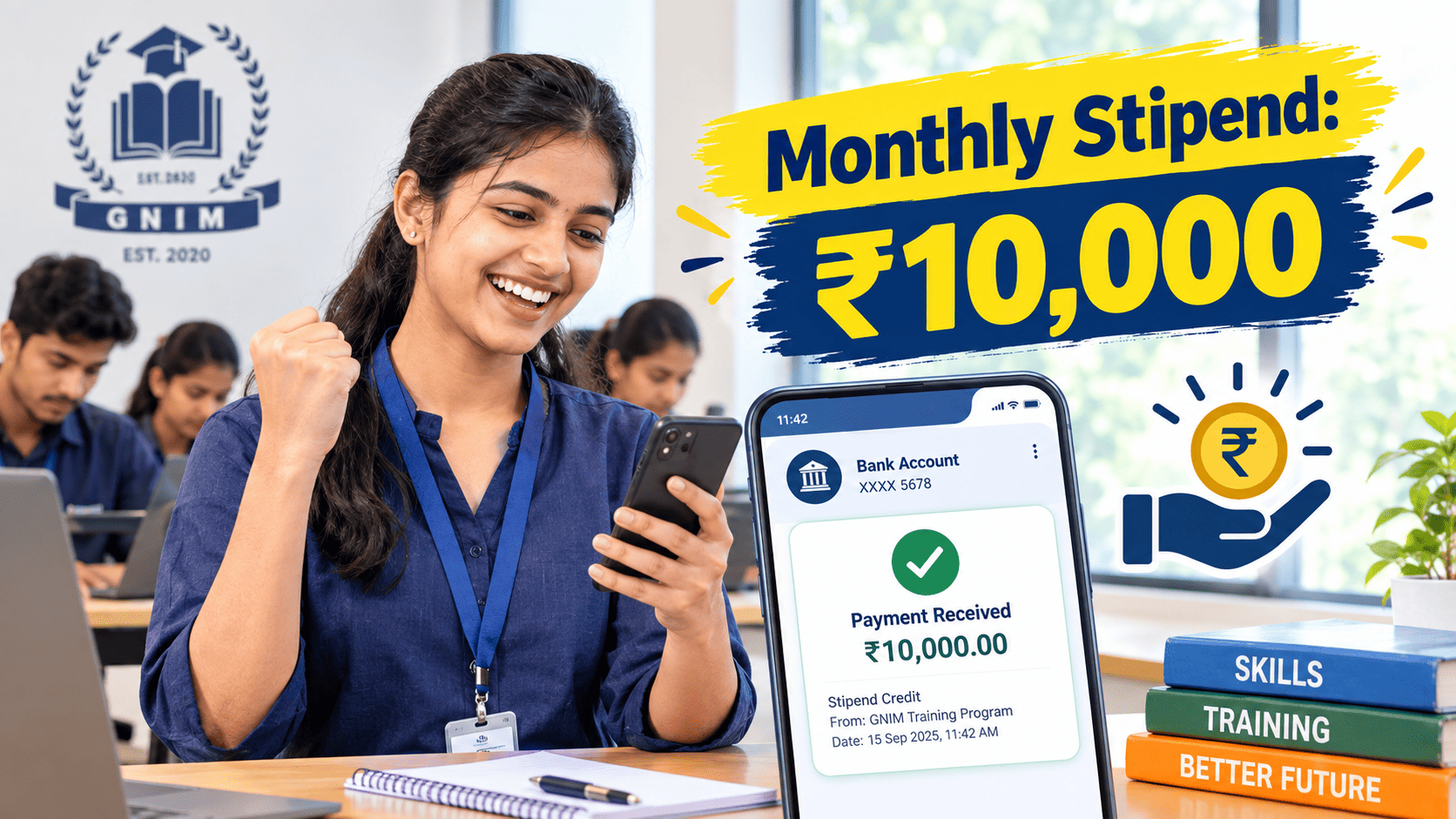
Selected candidates receive a monthly stipend of Rs. 10,000 during the course, subject to the applicable terms and conditions.
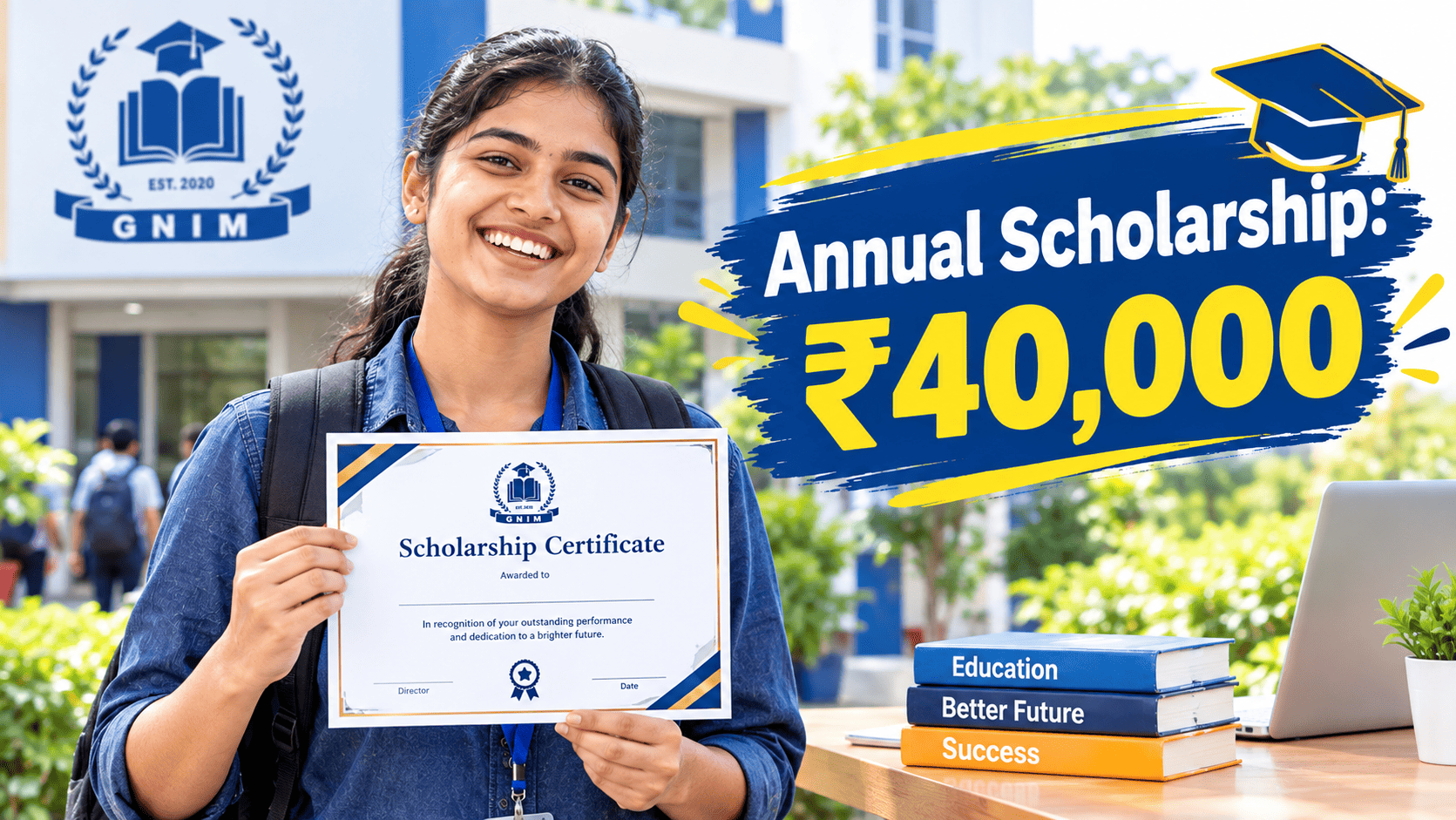
An annual scholarship of Rs. 40,000 is provided for each year of the program, subject to applicable eligibility and scholarship conditions.
Candidates also receive practical and career-oriented training designed to improve their technical knowledge and workplace readiness.
The program provides an opportunity to develop skills relevant to the healthcare and diagnostic services sector.
CAREER OPPORTUNITIES
After successfully completing the course and fulfilling the applicable requirements, candidates may pursue opportunities in areas such as:
Hospitals
Diagnostic Centres
Medical Imaging Centres
Healthcare Facilities
Radiology Departments
Diagnostic Laboratories and Healthcare Service Organizations
Imaging Service Providers
Potential job roles may include:
Imaging Technician
Radiology Technician
Radiographic Technician
Diagnostic Imaging Assistant
Medical Imaging Assistant
Imaging Department Assistant
The actual designation and employment responsibilities may vary according to the employer, qualification, applicable regulations and job requirements.
SKILL DEVELOPMENT
The program is designed to help students develop both technical and professional skills.
Students can develop knowledge and skills in:
Medical imaging fundamentals
Imaging equipment awareness
Patient preparation and positioning
Basic radiographic procedures
Radiation safety
Image-quality awareness
Healthcare communication
Patient care
Hospital procedures
Workplace hygiene
Infection prevention
Professional ethics
Teamwork
Workplace discipline
Technical documentation
These skills can help candidates adapt to professional environments in hospitals, diagnostic centres and other healthcare organizations.
WHY CHOOSE GNIM FOR THIS COURSE?
Gurukul National Institute and Management focuses on providing career-oriented educational opportunities to eligible candidates.
Key features of the program include:
Completely free course for eligible candidates.
Free hostel accommodation.
Monthly stipend of Rs. 10,000 during the course, subject to applicable conditions.
Annual scholarship of Rs. 40,000 for each year of the program, subject to applicable conditions.
Practical and career-oriented training.
Development of technical and professional skills.
Career opportunities following successful completion of the course and applicable selection requirements.
GNIM's focus on connecting trained candidates with employment opportunities through collaborative relationships with recognized organizations.
PLACEMENT CONFIRMATION
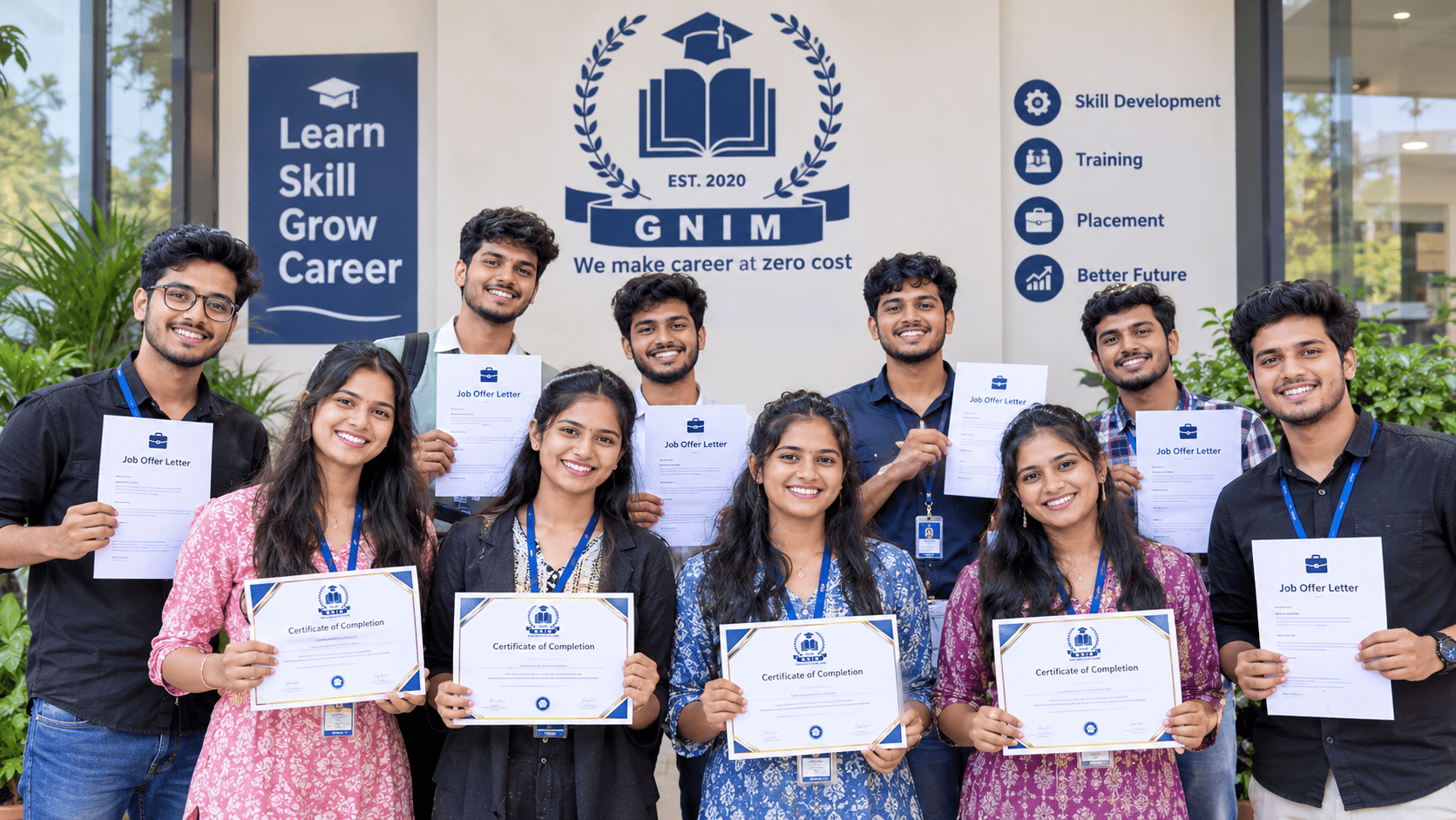
Gurukul National Institute and Management works to create career and employment opportunities for successfully trained candidates through collaborative relationships with leading government-recognized organizations and other relevant organizations.
After successful completion of the course, candidates may become eligible for employment opportunities according to their qualification, skills, performance, employer requirements and applicable selection procedures.
Employment opportunities are subject to the applicable recruitment process, vacancy, eligibility requirements and employer selection criteria.
Candidates should understand that training completion does not automatically constitute appointment to a particular government post or guarantee employment with a specific organization unless separately confirmed in an official appointment or placement document.
HOW TO ENROLL / ADMISSION PROCESS
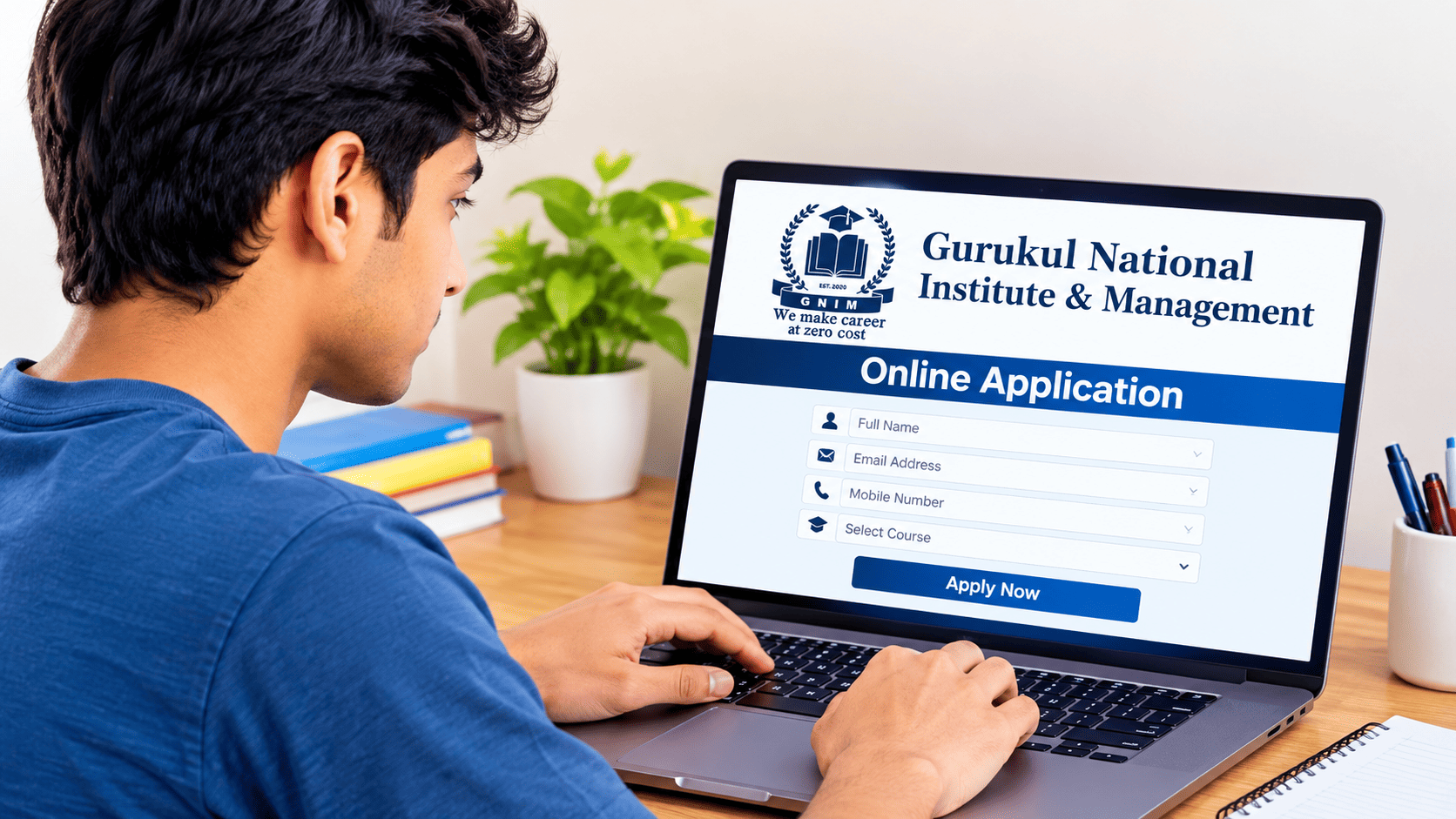
Candidates interested in the Diploma in Medical Imaging Technology must complete the application process through the official GNIM website.
Only our official website: www.gnim.org
No Offline application has been received.
Candidates should avoid submitting applications through unofficial websites, unauthorized individuals or third-party sources claiming to represent GNIM.
APPLICATION PROCEDURE
Interested candidates can apply online through the GNIM website:
The general admission process may include:
Online registration through the official website.
Submission of the required candidate information.
Uploading or providing the required documents.
Verification of submitted information.
Participation in the applicable selection or examination process.
Selection according to the prescribed admission criteria.
Completion of admission formalities after selection.
Candidates should follow the latest instructions published on the official GNIM website at the time of application.
CONCLUSION
The Diploma in Medical Imaging Technology is designed for candidates who want to develop technical knowledge and practical skills for a career in medical imaging and diagnostic healthcare services.
With theoretical education, practical training, professional skill development, free course benefits, free hostel accommodation, a monthly stipend of Rs. 10,000 and an annual scholarship of Rs. 40,000 subject to applicable terms and conditions, the program provides eligible candidates with an opportunity to prepare for a career in the healthcare sector.
Candidates interested in becoming an Imaging Technician are encouraged to review the eligibility requirements and complete the application process only through the official GNIM website.
CALL TO ACTION
Start Your Career in Medical Imaging Technology
Interested candidates can apply online through the official GNIM website.
Official Website: www.gnim.org
Contact: +91 9093085089
WhatsApp Available
Apply Online and Take the First Step Towards a Career as an Imaging Technician.
Our Gallery









Our Course Collaborating Institutes

Our Placement Collaborating Organization




.png)
.png)
.png)
.jpg)
.jpg)