
- 033-2552-1334 & 9093085089
- info@gnim.org











HEALTH DEPARTMENT

B.Sc. Medical Laboratory Technology
B.Sc. Medical Laboratory Technology
Sector: Health Sector
Introduction
The B.Sc. Medical Laboratory Technology (B.Sc. MLT) is a professional undergraduate programme designed for students who want to build a career in the healthcare sector through laboratory-based diagnostic services. Medical Laboratory Technologists play an important role in supporting doctors and other healthcare professionals by performing laboratory tests, processing specimens, maintaining laboratory equipment, and assisting in the accurate reporting of diagnostic findings.
Through this programme, students can develop theoretical knowledge as well as practical laboratory skills required for employment in hospitals, diagnostic laboratories, pathology laboratories, healthcare organizations, research facilities, and other medical laboratory environments.
Gurukul National Institute and Management (GNIM) provides prospective candidates with access to this career-oriented programme along with financial and accommodation-related benefits as specified below.
What is the Course?
B.Sc. Medical Laboratory Technology is an undergraduate healthcare programme focused on the scientific principles and practical techniques used in medical laboratories.
The programme introduces students to areas such as clinical pathology, microbiology, biochemistry, haematology, immunology, blood banking, clinical laboratory procedures, laboratory safety, specimen collection, diagnostic testing, and laboratory management.
The course is intended to prepare students for professional responsibilities associated with medical laboratory services and diagnostic support.
Definition and Purpose
Medical Laboratory Technology is the healthcare discipline concerned with the collection, preparation, examination, testing, and analysis of clinical specimens such as blood, urine, tissue, and other biological samples.
The primary purpose of the programme is to develop trained professionals who can perform laboratory procedures accurately, follow established safety and quality-control practices, operate laboratory equipment, maintain proper records, and support healthcare professionals in the diagnostic process.
Course Curriculum
The B.Sc. Medical Laboratory Technology curriculum generally combines classroom-based theoretical education with laboratory-based practical training.
Major areas of study may include:
-
Human Anatomy and Physiology
-
Biochemistry
-
Clinical Pathology
-
Haematology
-
Microbiology
-
Immunology
-
Histopathology
-
Cytology
-
Blood Banking and Transfusion Technology
-
Clinical Biochemistry
-
Medical Genetics
-
Laboratory Instrumentation
-
Laboratory Management
-
Medical Ethics
-
Healthcare and Laboratory Safety
-
Quality Control and Quality Assurance
-
Research Methodology
-
Computer Applications in Healthcare
-
Hospital and Healthcare Management
-
Practical Laboratory Training
The exact subjects, semester structure, duration, practical requirements, and examination pattern may vary according to the applicable curriculum and academic regulations.
Subjects Covered
Students may study subjects covering both fundamental medical sciences and specialized laboratory technology.
Important subject areas include:
Anatomy and Physiology: Understanding the structure and normal functioning of the human body.
Clinical Biochemistry: Study of biochemical components and laboratory tests used to support the diagnosis and monitoring of diseases.
Haematology: Study of blood, blood cells, blood disorders, and laboratory investigations.
Microbiology: Study of microorganisms and laboratory methods used for identifying infectious agents.
Clinical Pathology: Examination and analysis of clinical specimens for diagnostic purposes.
Immunology: Study of the immune system and laboratory investigations related to immune responses.
Histopathology: Study of tissues and laboratory procedures used in the examination of tissue samples.
Blood Banking: Introduction to blood grouping, compatibility testing, blood component preparation, storage, and transfusion-related laboratory procedures.
Laboratory Management: Principles of laboratory organization, documentation, inventory management, safety, and quality control.
Practical Training
Practical training is an important component of Medical Laboratory Technology education.
Students can receive hands-on exposure to laboratory procedures such as specimen handling, sample preparation, laboratory testing techniques, microscopy, basic analytical procedures, equipment operation, documentation, quality-control procedures, and laboratory safety practices.
Practical training helps students understand how theoretical concepts are applied in real healthcare laboratory environments.
Students should follow appropriate laboratory safety procedures, professional ethics, infection-control practices, and institutional protocols throughout their practical training.
Eligibility Criteria
Admission eligibility may depend on the applicable programme regulations and admission guidelines.
Candidates should carefully check the eligibility requirements published by GNIM at the time of application.
Who Can Enroll?
The programme is suitable for students who:
Have an interest in healthcare and medical sciences.
Want to develop a professional career in medical laboratory services.
Are interested in laboratory testing and diagnostic procedures.
Are comfortable working with scientific instruments and laboratory equipment.
Want to develop both theoretical knowledge and practical healthcare skills.
Candidates should satisfy the prescribed educational and admission requirements before applying.
Age Limit
The applicable age limit, if any, will be determined according to the admission rules and programme requirements applicable at the time of admission.
Candidates are advised to verify the current age criteria before submitting their application.
Educational Qualifications
Candidates should meet the prescribed educational qualification for admission to the B.Sc. Medical Laboratory Technology programme.
Typically, undergraduate medical laboratory technology programmes require completion of higher secondary education, generally with science-related subjects. However, the exact subject combination and minimum marks requirement may vary according to the applicable admission regulations.
Candidates should check the latest eligibility information provided by GNIM before applying.
Benefits of the B.Sc. Medical Laboratory Technology Course
Students selected through the applicable GNIM admission process can receive the following benefits as specified for this programme:
Completely Free of Charge: The course is offered completely free of charge to eligible and selected candidates under the applicable programme conditions.
Free Hostel Accommodation: Selected students are provided free hostel accommodation, subject to availability and the applicable hostel rules and conditions.
Monthly Stipend of Rs. 10,000: A monthly stipend of Rs. 10,000 is provided during the course, subject to the applicable programme terms, attendance requirements, and eligibility conditions.
Annual Scholarship of Rs. 40,000: An annual scholarship of Rs. 40,000 is awarded for each year of the programme, subject to the applicable scholarship rules and conditions.
Employment Opportunity After Course Completion: Candidates completing the required course and meeting the applicable requirements receive an opportunity for employment through GNIM's placement and associated employment initiatives.
These benefits are intended to reduce the financial burden on eligible students while allowing them to concentrate on their education and professional skill development.
Career Opportunities
After completing B.Sc. Medical Laboratory Technology and fulfilling the applicable professional requirements, graduates may explore career opportunities in areas such as:
Medical Laboratory Technologist
Medical Laboratory Technician
Clinical Laboratory Technologist
Pathology Laboratory Technologist
Haematology Laboratory Technologist
Clinical Biochemistry Laboratory Technologist
Microbiology Laboratory Technologist
Blood Bank Technologist
Diagnostic Laboratory Professional
Healthcare Laboratory Executive
Laboratory Assistant
Research Laboratory Assistant
Graduates may find opportunities in hospitals, diagnostic laboratories, pathology centres, blood banks, healthcare organizations, research laboratories, medical institutions, and other healthcare-related organizations, depending on their qualifications and applicable recruitment requirements.
Skill Development
The programme can help students develop important professional skills, including:
Laboratory specimen handling
Basic diagnostic laboratory procedures
Microscopy techniques
Laboratory equipment handling
Blood and specimen processing
Clinical laboratory testing procedures
Laboratory documentation
Quality-control practices
Laboratory safety and infection-control practices
Data recording and reporting
Professional communication
Teamwork in healthcare environments
Time management
Workplace discipline and professional ethics
These skills can help students adapt to professional laboratory environments and perform their responsibilities more effectively.
Why Choose GNIM for This Course?
Gurukul National Institute and Management focuses on providing career-oriented educational opportunities to eligible candidates.
The B.Sc. Medical Laboratory Technology programme offers prospective students an opportunity to develop healthcare-related knowledge and practical skills while also receiving the financial and accommodation benefits specified under the programme.
Key features include:
Free Course: The applicable course is provided completely free of charge to selected eligible candidates.
Free Hostel: Eligible selected candidates can receive free hostel accommodation subject to applicable conditions and availability.
Monthly Financial Support: A monthly stipend of Rs. 10,000 is provided during the course under the applicable programme conditions.
Annual Scholarship: An annual scholarship of Rs. 40,000 is provided for each year of the programme, subject to applicable conditions.
Career-Focused Training: The programme focuses on developing knowledge and practical skills relevant to medical laboratory careers.
Employment Opportunity: Candidates who successfully complete the programme and satisfy the applicable requirements can receive employment opportunities through GNIM's placement initiatives.
Placement Confirmation
Gurukul National Institute and Management works to facilitate career opportunities for eligible candidates by maintaining collaborative relationships with leading government-recognized organizations and employment partners.
After successful completion of the course, eligible candidates may be considered for employment opportunities through the applicable placement process.
Placement opportunities, job roles, employer requirements, salary, location, and selection conditions may vary according to the recruiting organization and the candidate's qualification, skills, performance, and applicable recruitment criteria.
Candidates should therefore verify the specific employment and placement terms applicable to their programme before admission.
How to Enroll / Admission Process
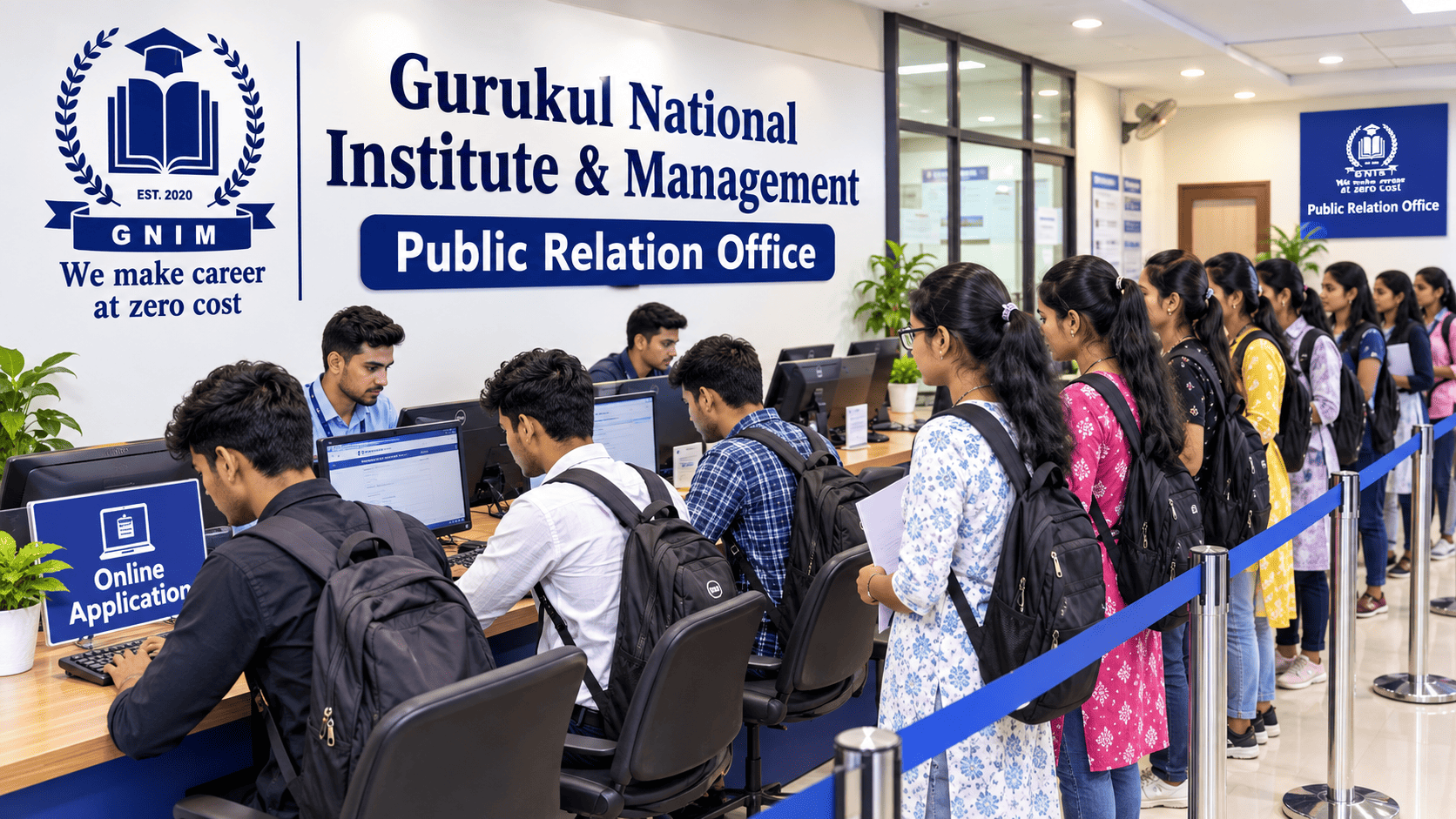
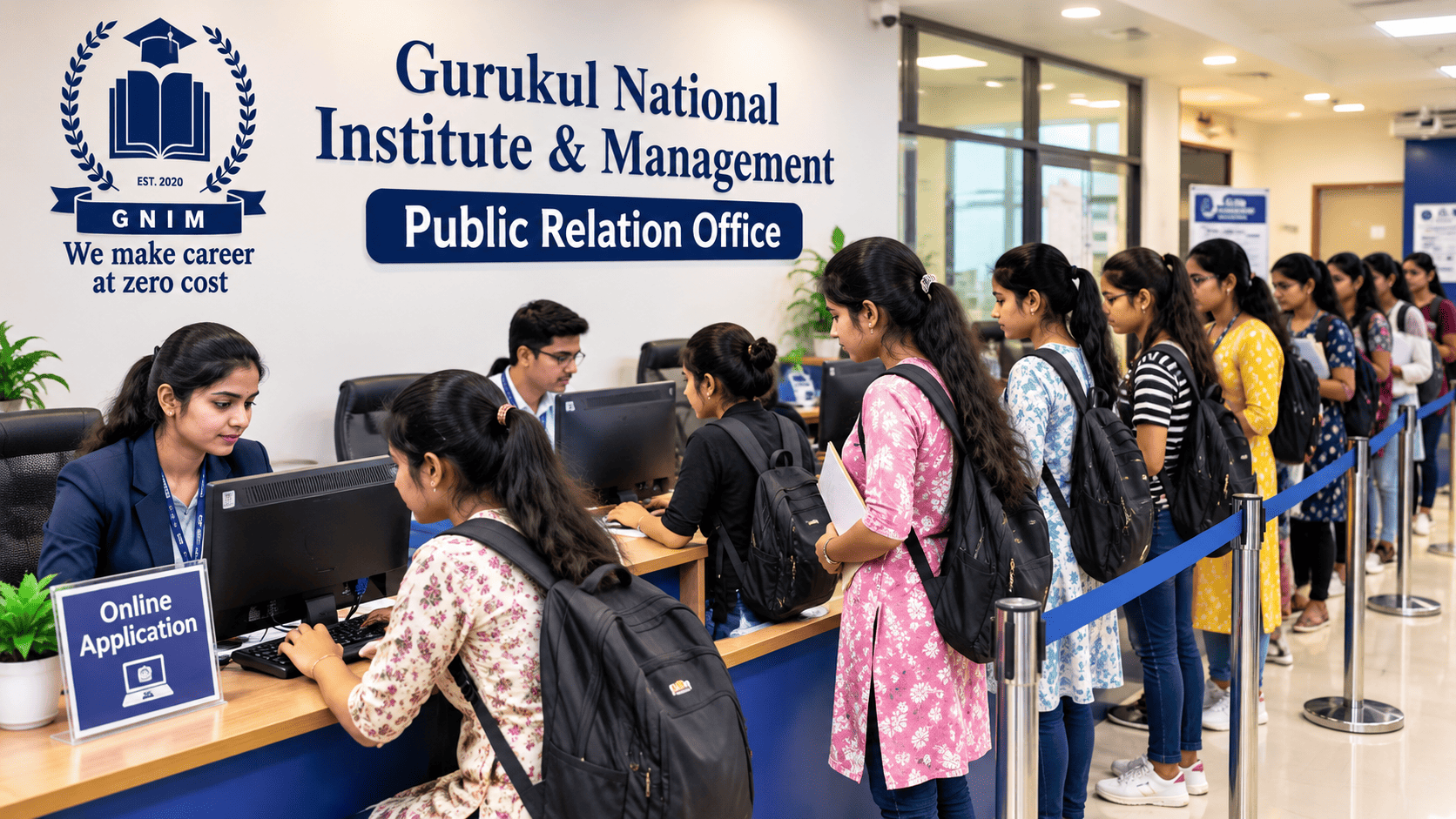
GNIM follows an online application process for prospective candidates.
Only our official website: www.gnim.org
No Offline Application Has Been Received
Candidates should submit their application through the official GNIM website and follow the admission instructions published there.
Application Procedure
Interested candidates can apply online through the GNIM website:
The general application process includes:
Step 1: Visit the official GNIM website.
Step 2: Read the course details and eligibility requirements carefully.
Step 3: Complete the online application form with accurate information.
Step 4: Submit the required information and documents as instructed.
Step 5: Complete the applicable selection or examination process.
Step 6: Candidates who satisfy the applicable selection criteria can proceed according to the admission instructions provided by GNIM.
Candidates should ensure that all information submitted during the application process is accurate and complete.
Conclusion
The B.Sc. Medical Laboratory Technology programme provides an opportunity for students interested in developing a professional career in the healthcare and diagnostic laboratory sector.
Through theoretical education, practical laboratory training, professional skill development, and career-oriented preparation, students can build a foundation for employment in medical laboratories and related healthcare environments.
For eligible and selected candidates, the programme benefits include a completely free course, free hostel accommodation, Rs. 10,000 monthly stipend, Rs. 40,000 annual scholarship, and employment opportunities after successful course completion, subject to the applicable programme terms and conditions.
Students who are interested in building a career in the Health Sector can visit the official GNIM website and review the latest admission information before applying.
Call to Action
Start Your Healthcare Career with B.Sc. Medical Laboratory Technology
Apply Online Through the Official GNIM Website
Contact: +91 9093085089
WhatsApp Available
Our Gallery














Our Course Collaborating Institutes

















Our Placement Collaborating Organization










.png)
.png)
.png)
.jpg)

.jpg)