
- 033-2552-1334 & 9093085089
- info@gnim.org











HEALTH DEPARTMENT
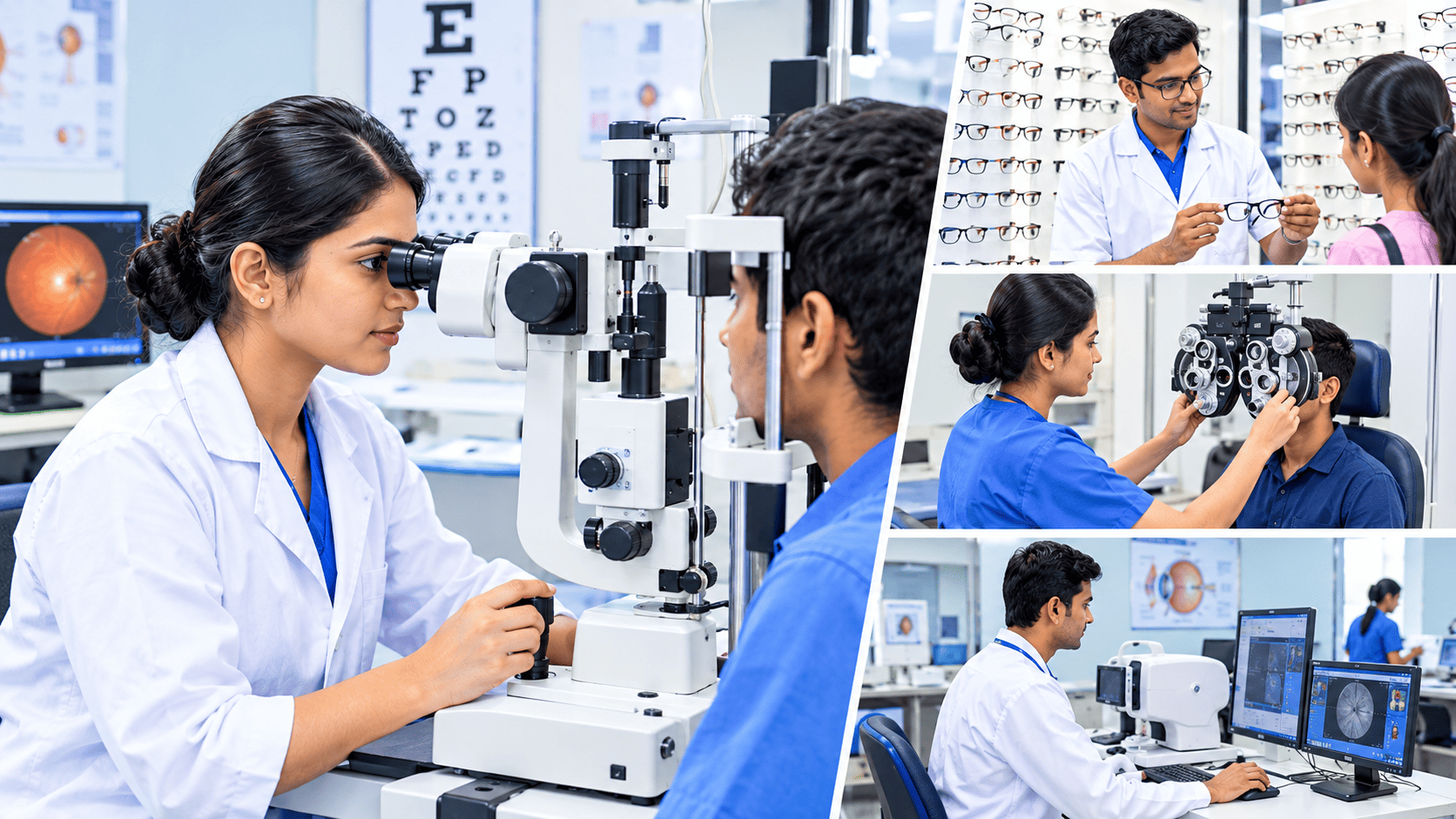
B.Sc. Optometry
OPTOMETRIST
B.Sc. Optometry
Sector: Health Sector
INTRODUCTION
Gurukul National Institute and Management offers the B.Sc. Optometry program for candidates who aspire to build a professional career in the healthcare sector with a specialization in eye care and vision-related services.
Optometry is an important healthcare profession concerned with eye and vision care. An optometrist is trained to assess vision, identify common vision-related problems, conduct eye examinations, provide appropriate vision-care guidance, and work as part of a healthcare team.
The B.Sc. Optometry program combines academic education, laboratory learning, practical training, and clinical exposure to help students develop the knowledge and professional skills required for work in optometry and eye-care environments.
WHAT IS THE COURSE?
B.Sc. Optometry is an undergraduate healthcare program that focuses on the science of vision, eye health, visual assessment, optical instruments, and patient care.
The course introduces students to the structure and functions of the human eye, visual systems, refractive errors, ocular conditions, optometric examination techniques, contact lenses, spectacles, optical instruments, and various aspects of eye-care services.
Students receive theoretical as well as practical education so that they can understand how optometric knowledge is applied in professional healthcare settings.
DEFINITION AND PURPOSE
Optometry is a healthcare discipline concerned with examination of vision and the assessment and management of various vision-related conditions within the professional scope of optometry.
The purpose of the B.Sc. Optometry program is to prepare students with the academic knowledge, technical abilities, clinical skills, and professional understanding required for optometry-related work.
The program helps students understand visual assessment, refractive conditions, optical correction, patient communication, eye-care procedures, and the use of appropriate optometric equipment.
COURSE CURRICULUM
The curriculum of B.Sc. Optometry generally combines theoretical subjects, laboratory work, practical training, and clinical exposure.
Students may study subjects related to anatomy, physiology, optics, ocular anatomy, ocular diseases, pharmacology, optometric examination, refraction, binocular vision, contact lenses, low vision, community eye care, and clinical optometry.
The course may also include clinical postings and supervised practical training to help students develop confidence in applying their academic knowledge.
The exact semester structure, subjects, practical requirements, duration, and academic framework may vary according to the applicable university, academic authority, and regulatory requirements.
SUBJECTS COVERED
Major academic areas associated with B.Sc. Optometry may include:
Human Anatomy
Human Physiology
Biochemistry
General and Ocular Pathology
General and Ocular Pharmacology
Geometrical and Physical Optics
Ocular Anatomy
Ocular Physiology
Visual Optics
Optometric Optics
Clinical Optometry
Refraction
Binocular Vision
Ocular Diseases
Contact Lens Technology
Low Vision Care
Paediatric Optometry
Geriatric Optometry
Community Optometry
Public Health and Eye Care
Optometric Instruments and Equipment
Patient Care and Communication
Clinical Training and Internship
The specific subjects offered may vary according to the applicable academic curriculum and institutional requirements.
PRACTICAL TRAINING
Practical training is an important component of optometry education.
Students may receive practical exposure to eye and vision assessment procedures, refraction techniques, optical instruments, visual acuity testing, lens and spectacle-related procedures, contact lens practices, patient communication, clinical documentation, and other optometry-related activities.
Clinical exposure can help students understand how optometry services are delivered in professional healthcare environments.
Practical training is generally conducted under appropriate supervision and is intended to help students develop technical accuracy, professional discipline, patient-handling skills, and confidence in clinical situations.
ELIGIBILITY CRITERIA
Eligibility requirements for B.Sc. Optometry may vary according to the applicable university, academic authority, and program regulations.
Candidates should carefully verify the current eligibility requirements before submitting their application.
WHO CAN ENROLL?
The course is suitable for students who have an interest in healthcare, eye care, vision science, optical technology, and patient-oriented healthcare services.
It may be particularly suitable for candidates who wish to develop a career involving eye examinations, vision assessment, optical services, and optometry-related healthcare activities.
Candidates should be interested in working with patients and should be willing to follow professional healthcare standards, safety procedures, ethical practices, and workplace discipline.
AGE LIMIT
The applicable age requirements may depend on the admission rules and academic regulations associated with the B.Sc. Optometry program.
Candidates should check the current age requirements before applying.
EDUCATIONAL QUALIFICATIONS
Candidates seeking admission to B.Sc. Optometry should generally have completed the required higher-secondary education.
Science subjects, particularly Biology and other subjects prescribed by the applicable academic authority, may be required for admission.
The final educational qualification and subject requirements will be determined according to the applicable university or regulatory requirements for the program.
BENEFITS OF THE B.SC. OPTOMETRY COURSE
The B.Sc. Optometry program provides candidates with an opportunity to develop specialized knowledge and practical skills in eye care and vision services.
Students can gain knowledge of vision assessment, refractive errors, optical correction, eye-care procedures, optometric instruments, patient management, and clinical practices.
Eligible candidates enrolling through the applicable GNIM program are provided with significant educational and financial benefits, subject to the applicable terms and conditions.
The course is completely free of charge.
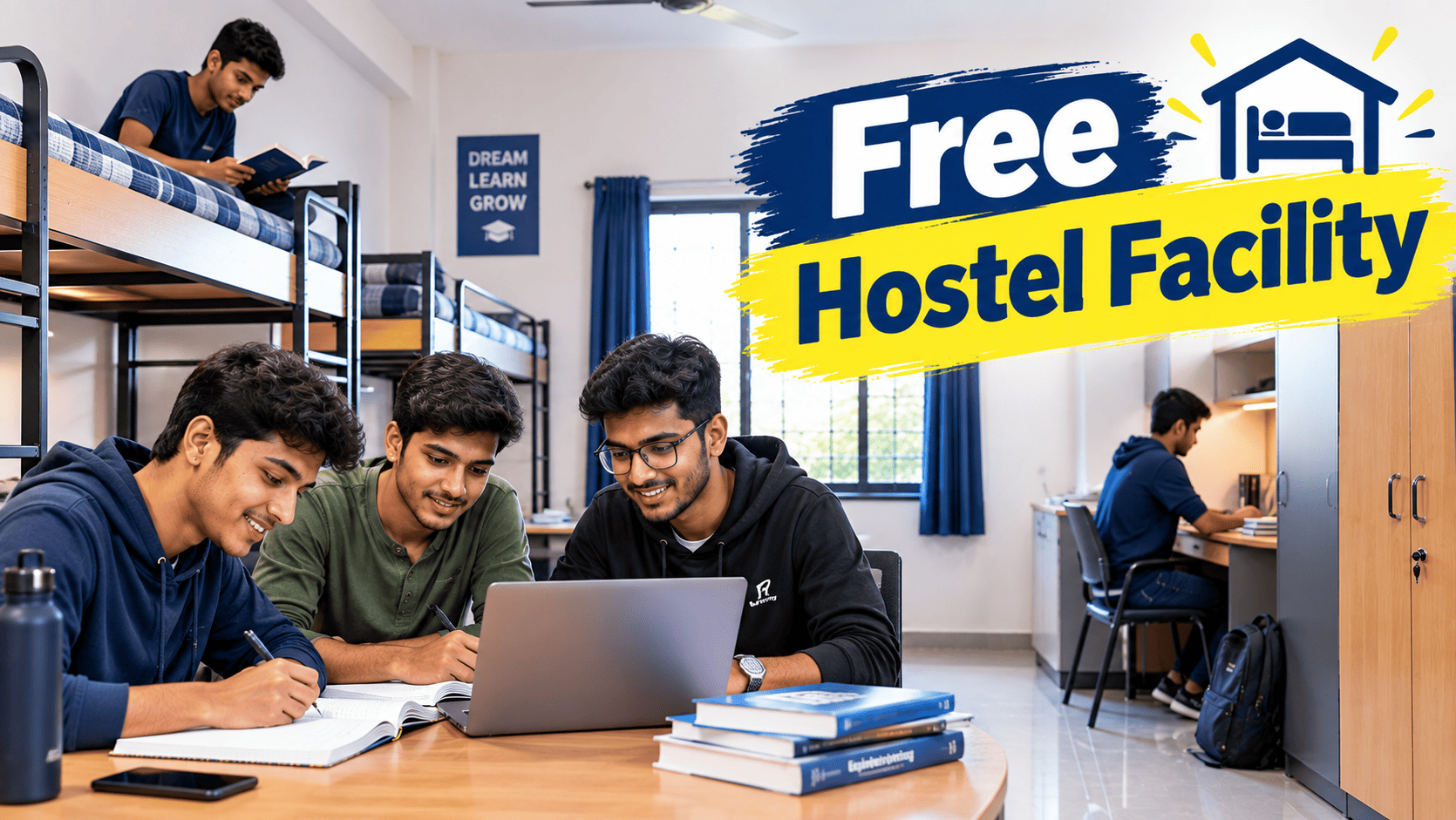
Free hostel accommodation is provided.
A monthly stipend of Rs. 10,000 is provided during the course.
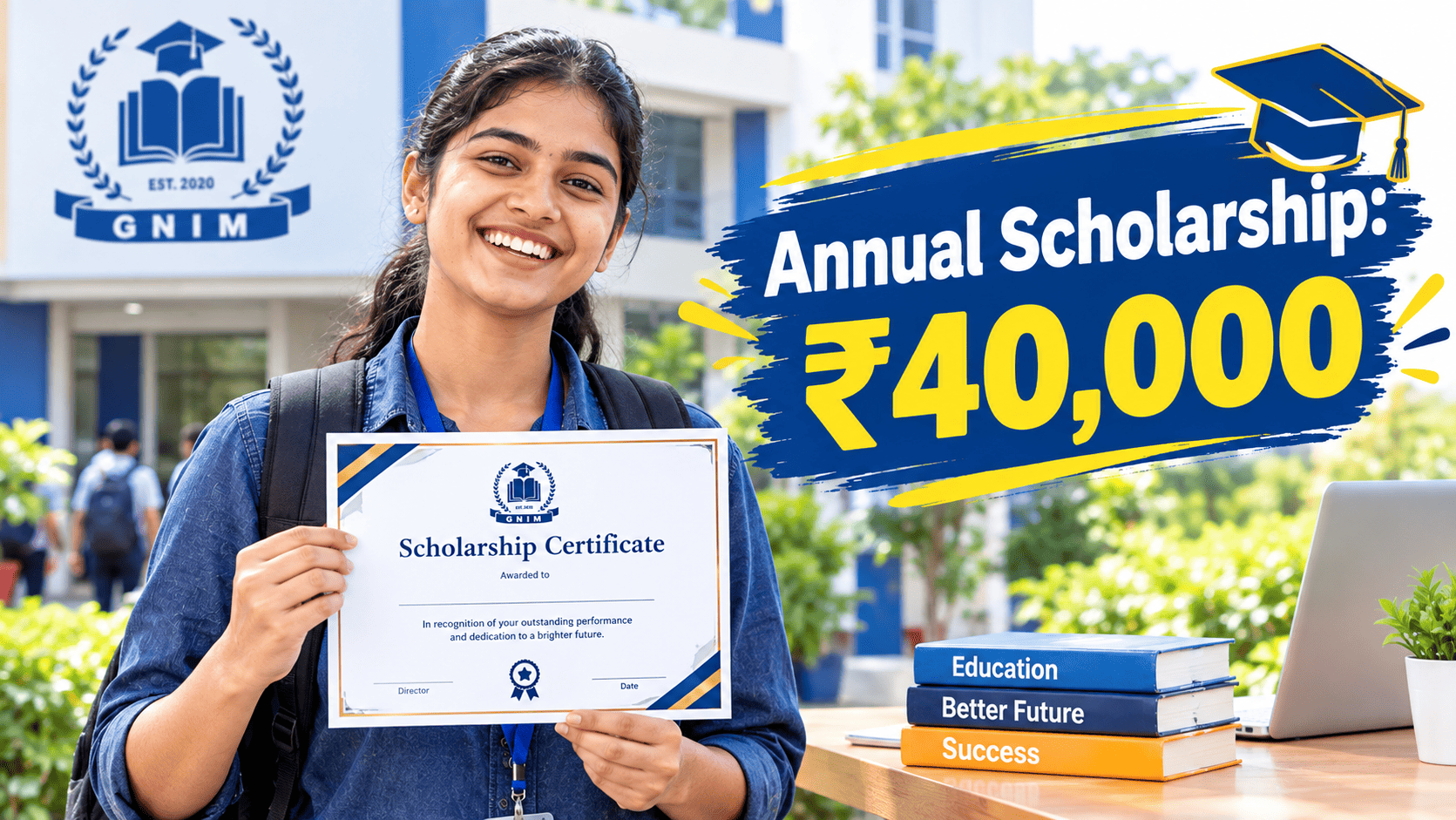
An annual scholarship of Rs. 40,000 is awarded for each year of the program.
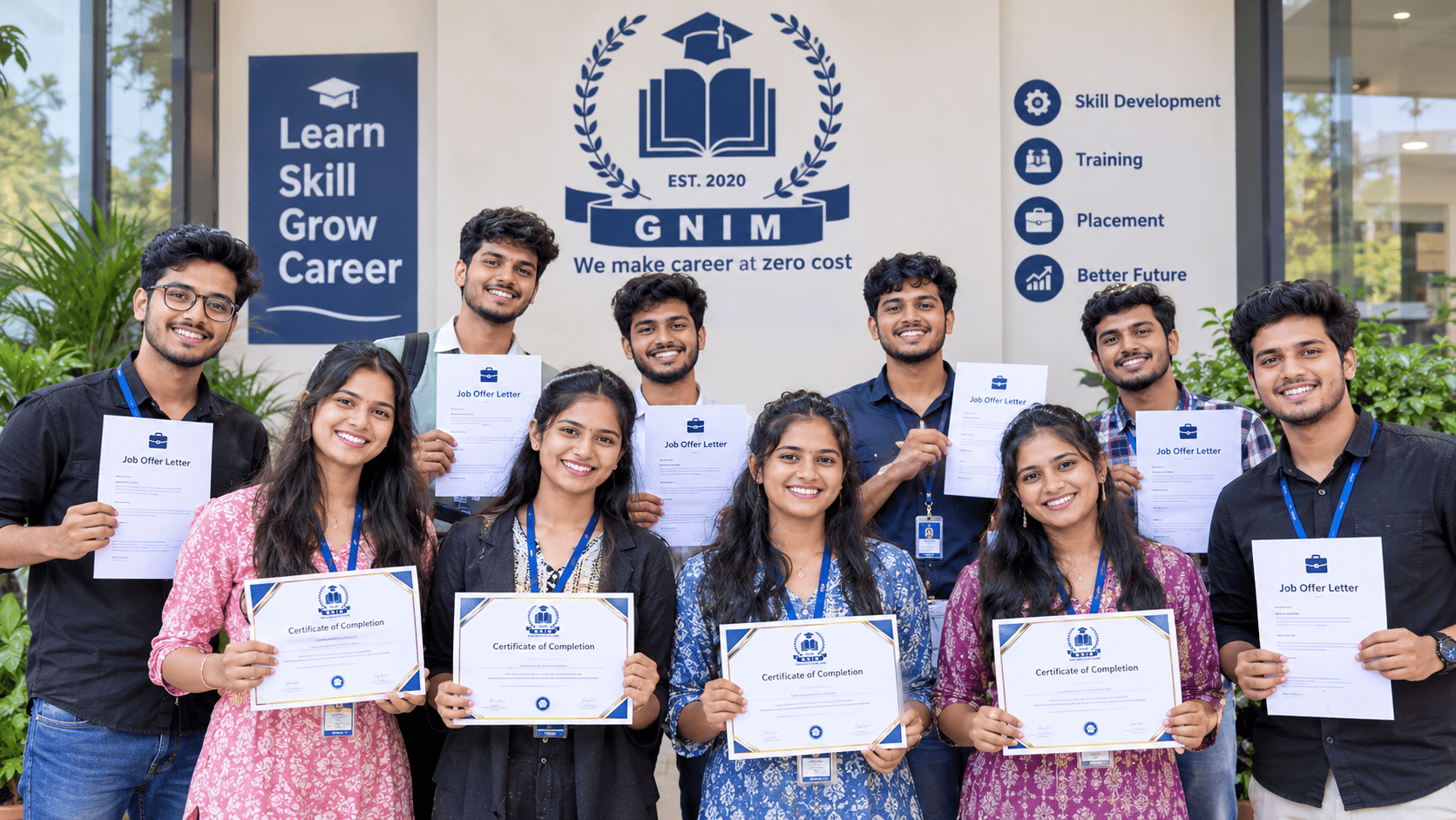
There is an opportunity for immediate employment upon successful completion of the course.
These benefits can help reduce the financial burden of professional education and accommodation while allowing eligible students to concentrate on their education and career development.
CAREER OPPORTUNITIES
After successfully completing the B.Sc. Optometry program and fulfilling the applicable professional and employment requirements, graduates may explore opportunities in various eye-care and healthcare environments.
Potential career roles and employment areas may include:
Optometrist
Clinical Optometrist
Vision Care Professional
Optometry Assistant
Optical Care Professional
Contact Lens Professional
Low Vision Care Professional
Eye Care Centre Professional
Optical Service Professional
Graduates may seek opportunities in hospitals, eye hospitals, eye-care centres, optical establishments, vision-care facilities, healthcare organizations, and other relevant healthcare environments.
Actual employment opportunities depend on the candidate's qualifications, professional requirements, practical skills, recruitment procedures, available vacancies, and applicable regulations.
SKILL DEVELOPMENT
The B.Sc. Optometry program can help students develop important technical and professional skills, including:
Understanding of human eye anatomy and physiology
Knowledge of vision and visual systems
Visual acuity assessment
Basic and advanced refraction techniques
Understanding of refractive errors
Use of optometric instruments
Knowledge of spectacle lenses and optical correction
Understanding of contact lenses
Patient examination and communication
Recognition of common ocular conditions
Basic knowledge of eye-care procedures
Clinical documentation
Infection prevention and safety practices
Patient counselling and communication
Professional ethics
Healthcare teamwork
Clinical and workplace discipline
WHY CHOOSE GNIM FOR THIS COURSE?
Gurukul National Institute and Management focuses on providing career-oriented educational opportunities to eligible candidates.
The B.Sc. Optometry program provides an opportunity for students to pursue specialized education in the field of eye care and vision services while developing practical and professional skills relevant to the healthcare sector.
Eligible candidates can also receive financial and educational support associated with the program, including completely free course education, free hostel accommodation, a monthly stipend of Rs. 10,000, and an annual scholarship of Rs. 40,000 for each year of the program, subject to applicable terms and conditions.
The combination of academic learning, practical exposure, and career-oriented support can help candidates prepare for professional opportunities in optometry and healthcare.
PLACEMENT CONFIRMATION
It is worth noting that Gurukul National Institute and Management offers high-quality job opportunities by maintaining collaborative relationships with leading government-recognized organizations.
The program follows a career-oriented approach intended to provide eligible candidates with appropriate guidance and employment opportunities after successful completion of their training.
Employment is subject to successful completion of the course, applicable eligibility requirements, candidate performance, organizational recruitment procedures, available vacancies, and the terms and conditions applicable to the respective employment opportunity.
Candidates are advised to review the specific placement and employment conditions applicable to their program before admission.
HOW TO ENROLL / ADMISSION PROCESS
Candidates interested in the B.Sc. Optometry program must complete the application process through the official GNIM website.
Only our official website: www.gnim.org
No offline application has been received.
Candidates should use the official website to obtain current information regarding the course, eligibility requirements, admission procedure, application instructions, and other relevant updates.
APPLICATION PROCEDURE
Interested candidates can apply online through the GNIM website:
Candidates should visit the official website and review the available course and eligibility information.
Candidates should complete the online application form by providing accurate information and submit the required details according to the instructions provided on the website.
Applicants should ensure that all information submitted during the application process is correct and complete.
CONCLUSION
B.Sc. Optometry is a specialized undergraduate healthcare program for candidates who wish to develop professional knowledge and technical skills in eye care and vision services.
The program provides academic knowledge and practical exposure in areas such as visual assessment, refraction, optics, ocular health, contact lenses, optometric instruments, patient care, and clinical optometry.
For eligible candidates, the GNIM program provides important educational and financial support, including completely free course education, free hostel accommodation, a monthly stipend of Rs. 10,000, and an annual scholarship of Rs. 40,000 for each year of the program, subject to applicable terms and conditions.
Candidates interested in developing a career in optometry and the healthcare sector can visit the official GNIM website and complete the online application process.
CALL TO ACTION
For admission information and assistance, contact:
+91 9093085089
WhatsApp Available
Apply Online Only: www.gnim.org
This version replaces the accidental “GDA Course” reference with B.Sc. Optometry throughout and keeps the wording suitable for a course/admission webpage.
Our Gallery










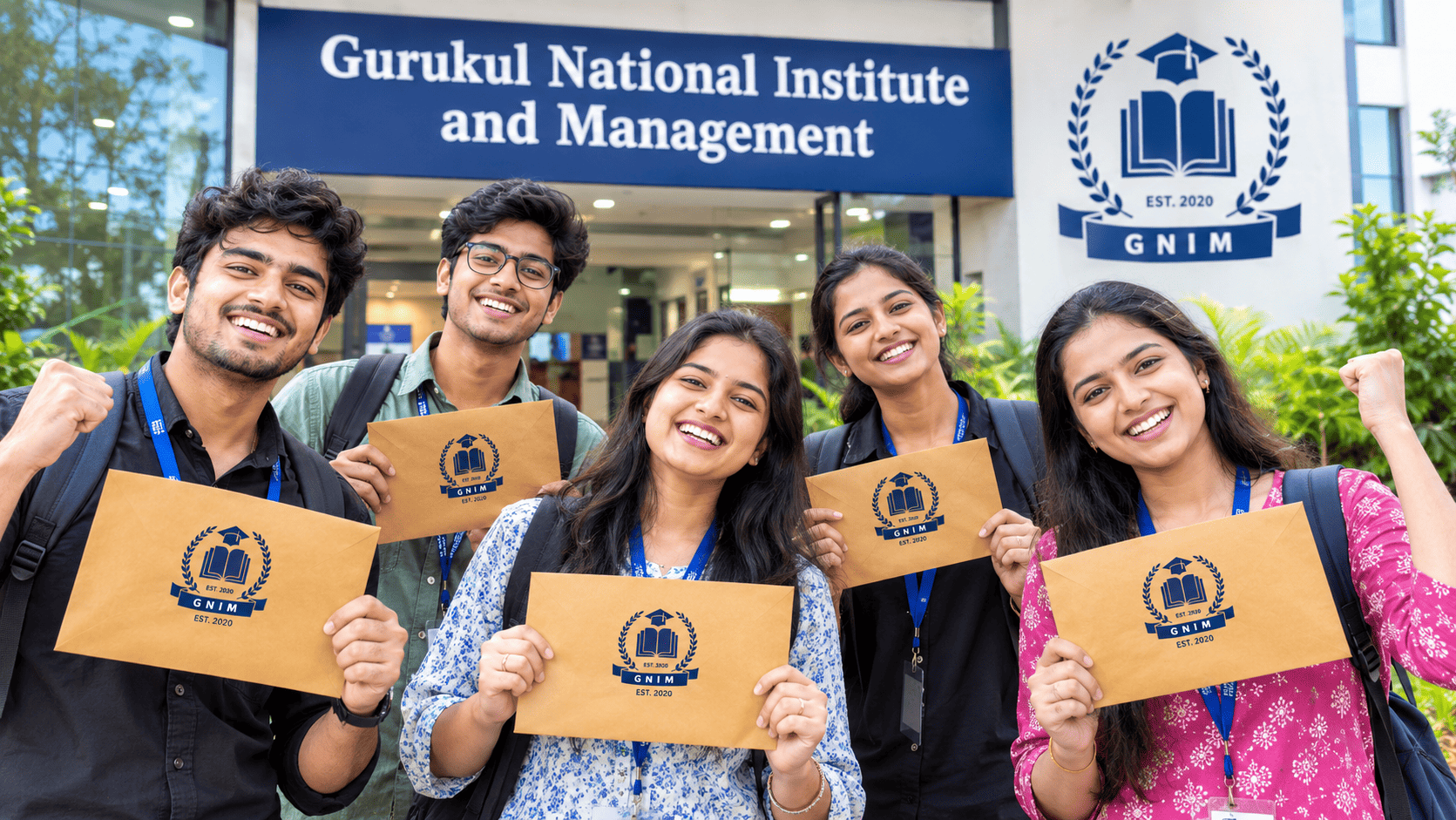


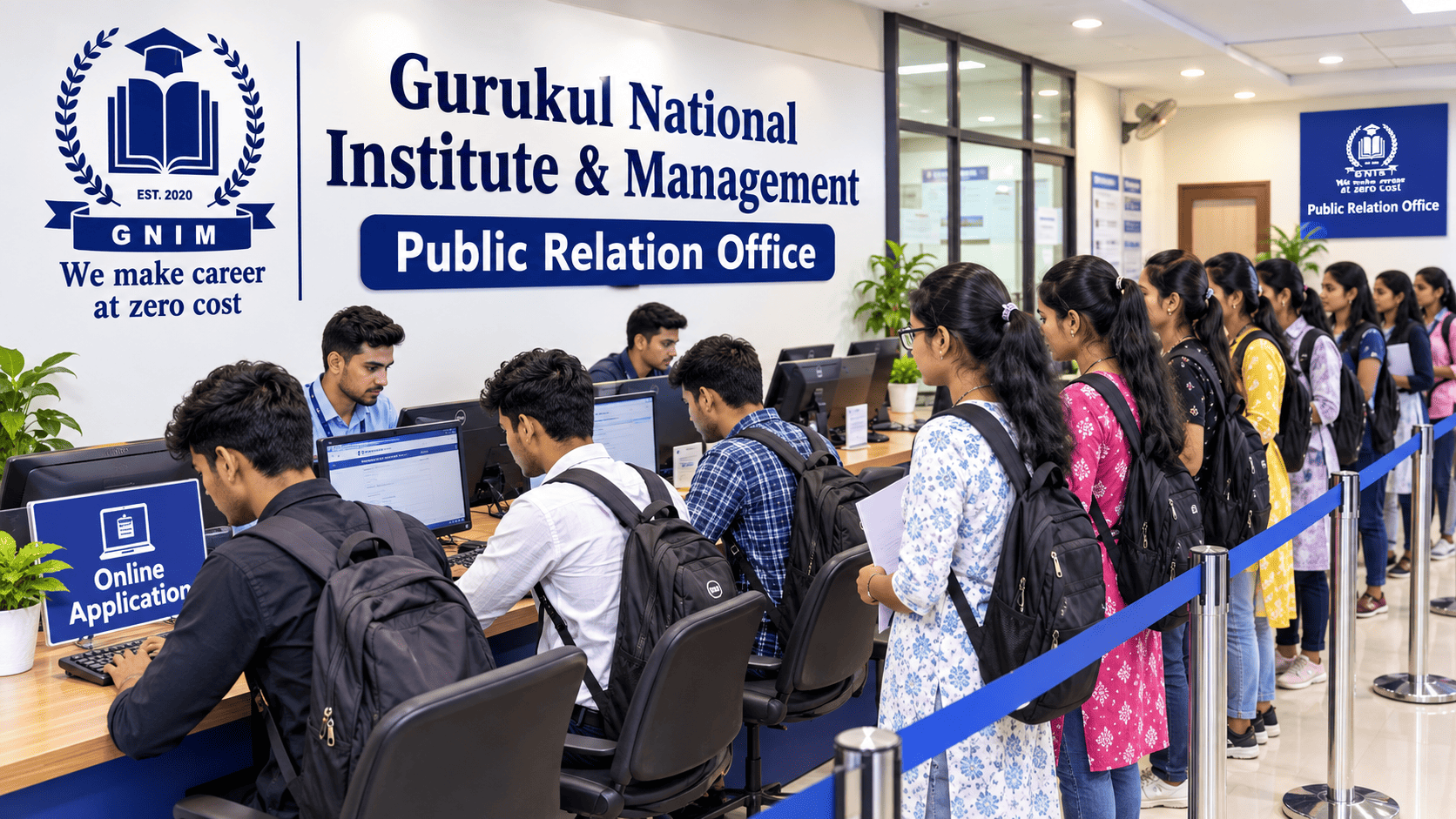
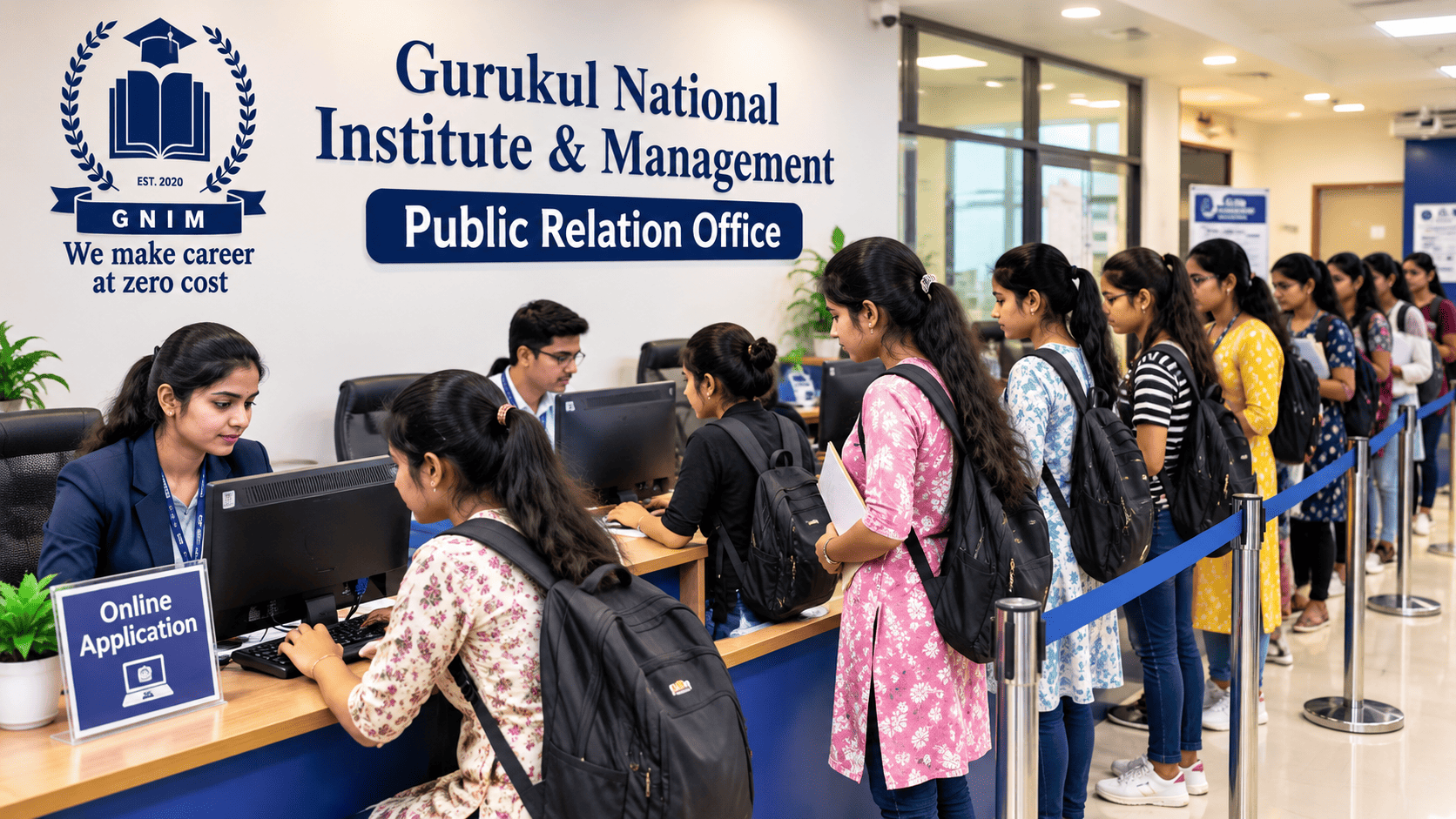
Our Course Collaborating Institutes


















Our Placement Collaborating Organization














.png)
.png)
.png)
.jpg)

.jpg)